Container Rentals: ASolution for HazardousWaste Challenges
· 2 min
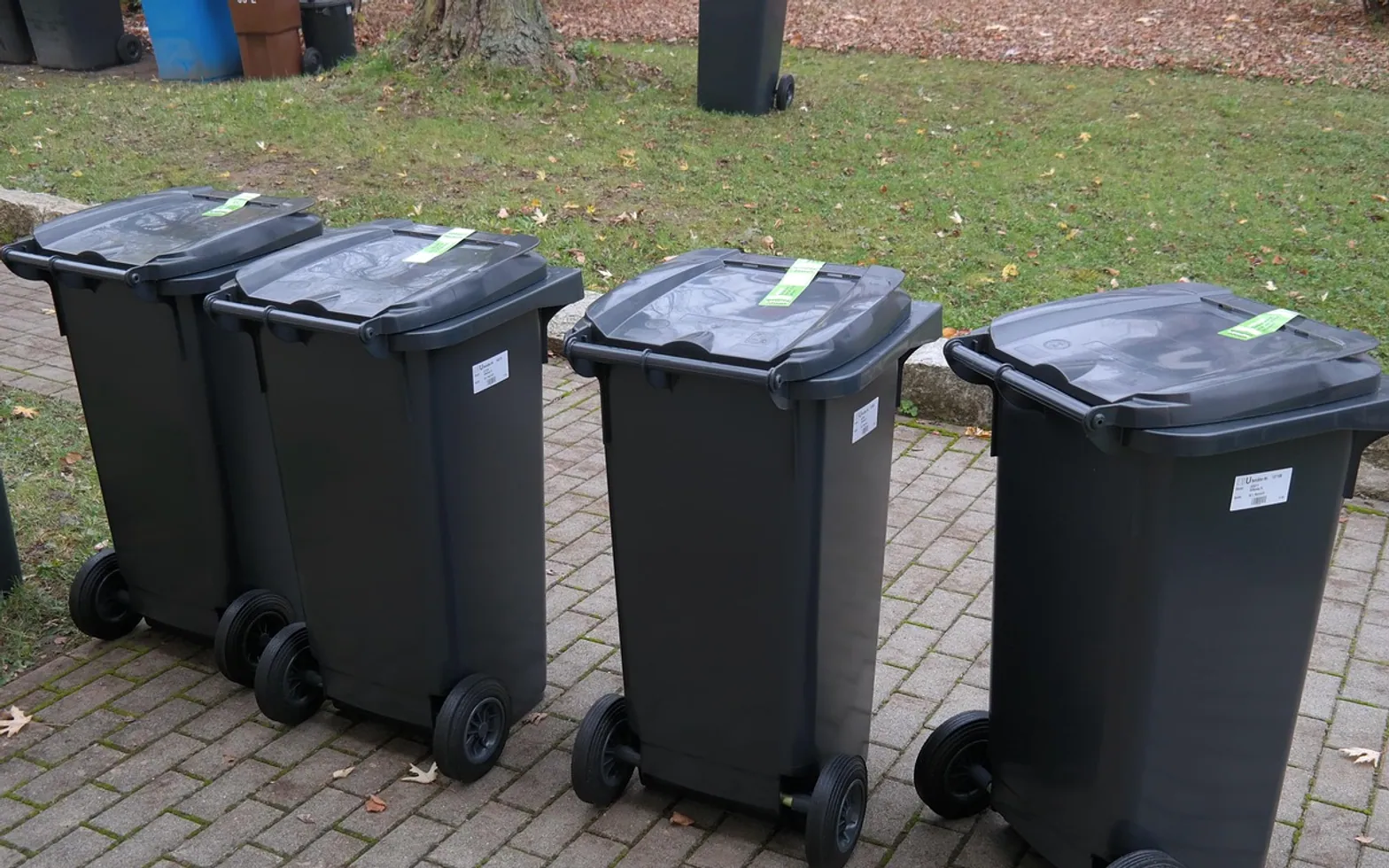
Most leftover material from a clear-out or building job is harmless once it is sorted. A smaller share is not. Old paint, solvents, oily rags, batteries, certain insulation materials and chemical residues can harm people, soil and water if they end up in the wrong place. Handling them well is mostly about planning: knowing what is on site, choosing suitable containers and keeping a clear record of where everything goes.
What makes waste "hazardous"
Waste is usually classed as hazardous when it is flammable, toxic, corrosive, reactive or otherwise dangerous. In Germany and across the EU, each type has a code in the European Waste Catalogue, and those codes determine how it must be stored, transported and treated. The exact rules depend on the material and the region, so checking with the local authority or a qualified disposal company is always the first step.
A step-by-step approach on site
- Take stock. List the materials a project will produce, especially anything with warning symbols on the packaging.
- Keep streams apart. Mixing hazardous items with general rubble can turn a whole container into hazardous waste and complicate disposal.
- Choose the right container. Sealed, leak-proof and chemically resistant containers suit liquids and residues, while covered skips protect other materials from rain.
- Label clearly. Everyone on site should know what each container is for and what must never go in it.
- Store safely. Place containers on firm ground, away from drains and out of reach of children or passers-by.
- Arrange documented collection. Certain materials require a licensed specialist and a paper trail; a reputable provider will explain which.
Why rental makes sense
Few households or small firms own the containers, protective equipment or transport permits that hazardous materials demand. Renting brings all of that together for the length of a project. The provider delivers suitable containers, collects them when full and routes the contents to licensed treatment facilities. That saves time and reduces the chance of costly mistakes.
Budget is part of the planning too. Anyone organising a project in the region can compare containerdienst Hanau preise to see container sizes and rental options at a glance, so picking a suitable container and planning costs early becomes simpler.
Questions worth asking a provider
- Which materials can go in each container, and which need a separate route?
- Is documentation provided for collection and disposal?
- How long can the container stay on site?
- Is a permit needed if it stands on a public road?
Clear answers to these questions turn a potentially tricky task into a routine part of the project, and they help keep both workers and the surrounding environment out of harm's way.



Tell us what you think.
We read every message.