Hunting: The TopNight Vision ScopesOn The Market
· 2 min
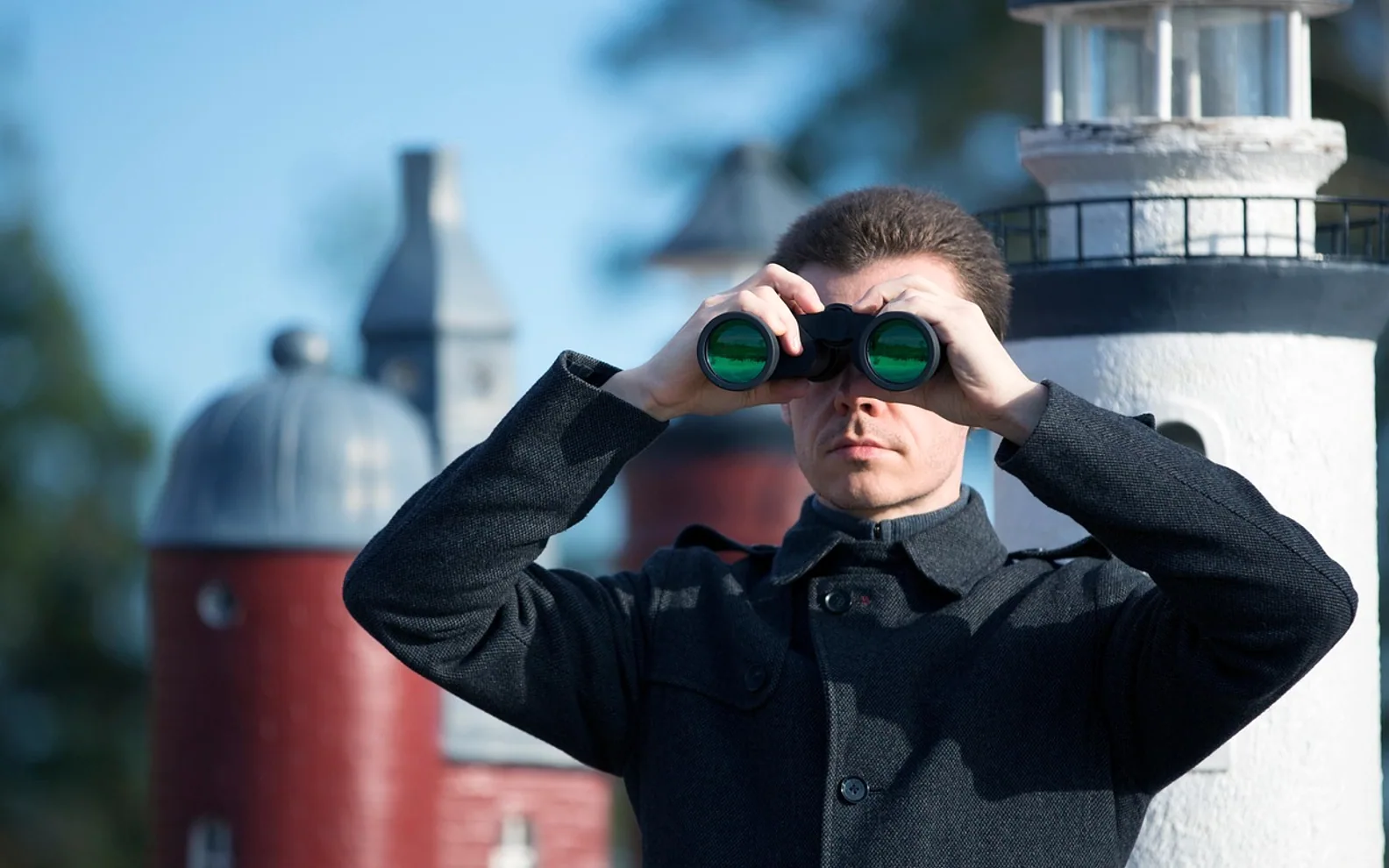
Seeing in the dark used to belong to soldiers and spy films. Today, optics that turn moonlight or body heat into a usable image are sold to hunters, farmers and wildlife watchers. Understanding how these devices work makes it much easier to pick one that suits the job, and to use it responsibly.
Two ways of seeing at night
Traditional night vision amplifies light that is already there. Starlight, moonlight or a small infrared illuminator is gathered by the lens, multiplied electronically and shown as a bright, usually green or white, image. Thermal imaging works differently: it detects heat rather than light, so warm animals stand out clearly against cooler surroundings even in complete darkness, fog or light vegetation.
Each has strengths. Light amplification shows more detail of the landscape, which helps with identifying exactly what you are looking at. Thermal is outstanding at spotting animals quickly and works when there is no light at all.
What the generations mean
| Type | How it works | Typical strengths |
|---|---|---|
| Generation 1 | Early image-intensifier tube | Affordable, fine for short range in some ambient light |
| Generation 2 | Adds a microchannel plate | Brighter, sharper image and better range |
| Generation 3 | Improved photocathode | Strong low-light performance and clarity |
| Digital | Camera-style sensor and screen | Can often record video; usable in daylight |
| Thermal | Heat-sensing detector | Detects animals regardless of light |
Features worth comparing
- Detection and identification range: spotting a warm shape is not the same as identifying it.
- Resolution and display quality, which affect detail and eye strain.
- Battery life, especially on cold nights.
- Mounting and zeroing: how well the scope holds its zero matters for ethical shots.
- Weight and weather resistance for long sits in the field.
Thermal scopes have become especially popular for predator and hog control, and hunters comparing models in detail will find more information here, including how different units handle range, image quality and everyday use in the field.
Rules and responsibilities
Night hunting is tightly regulated. Whether you may hunt after dark, which species are allowed and whether night vision or thermal optics may be used all vary by country, state and season. Check with your local wildlife agency before buying or using any device. Safety principles matter even more in the dark: positively identify every target and what lies beyond it, know where other people are, and never rely on a heat signature alone.
Beyond hunting
These optics are not only for the hunt. Landowners use them to check livestock, naturalists watch badgers and owls without disturbing them, and search teams use thermal imaging to find people. Learning how the technology works opens up a nocturnal world most people never see.



Tell us what you think.
We read every message.