Spectacle of ModernChandeliers
· 2 min
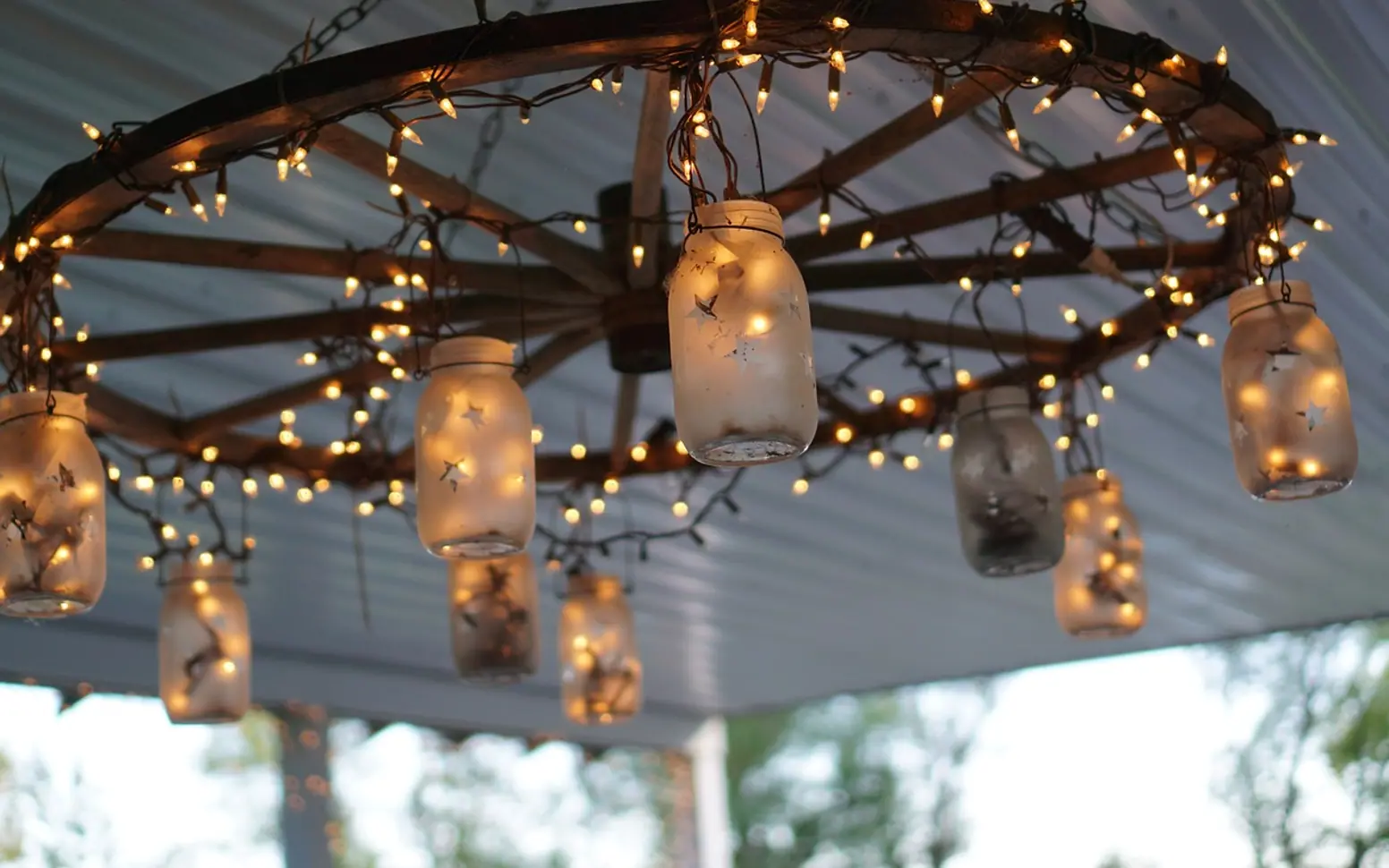
For centuries, a chandelier meant candles, then crystal, then a glittering cascade above a formal dining table. That image still exists, but it no longer defines the category. Today's designs might be a ring of brushed brass, a cloud of hand-blown glass globes, a sculptural tangle of wooden arms or a single slim loop of light. What unites them is ambition: a modern chandelier is meant to be looked at, not just switched on.
From candlelight to LED
The biggest change has come from technology. LEDs produce little heat and come in tiny formats, so designers are no longer constrained by bulb sockets. Light can run along a thin metal line, glow from inside frosted acrylic or appear to float in mid-air. Energy use is far lower than with old incandescent bulbs, and long lifespans mean fewer trips up a ladder. Many fittings now pair with dimmers or smart-home systems, letting owners shift brightness and colour temperature from a phone or a voice command.
Styles worth knowing
Minimal and geometric
Clean circles, linear bars and simple spheres suit pared-back interiors. They add a focal point without visual noise.
Industrial and natural
Exposed bulbs, blackened steel, raw wood or rope bring texture, working well in lofts, farmhouse kitchens and rooms with brick or concrete surfaces.
Sculptural statement
Some fittings behave like installations, with branches, clusters or layered shapes that look different from every angle. Modern chandeliers available at Seus Lighting show how wide this spectrum has become, ranging from restrained linear pieces to bold forms designed to anchor an entire room.
Getting size and height right
Undersized fittings seem to float apologetically; oversized ones crowd the room. A rule of thumb many designers use is to add the room's length and width in feet and treat the total as a rough diameter in inches, then adjust by eye. Over a dining table, the fitting should be clearly narrower than the table so nobody knocks into it when standing up. In hallways and living rooms, leave enough clearance for people to walk beneath comfortably, and in double-height spaces consider a longer drop or a multi-tier design.
Practical points before buying
- Check that the ceiling can bear the fitting's weight; heavy pieces may need extra support.
- Confirm whether the light source is integrated or uses replaceable bulbs.
- Think about cleaning: open frames are easier to dust than many small glass parts.
- Have installation carried out by a qualified electrician.
Chosen with care, a contemporary chandelier does what its ancestors did: it sets the tone of a room the moment someone walks in.




Tell us what you think.
We read every message.