Streamlining Projects: TheCritical Function ofBin Rentals inEffective Project Management
· 2 min
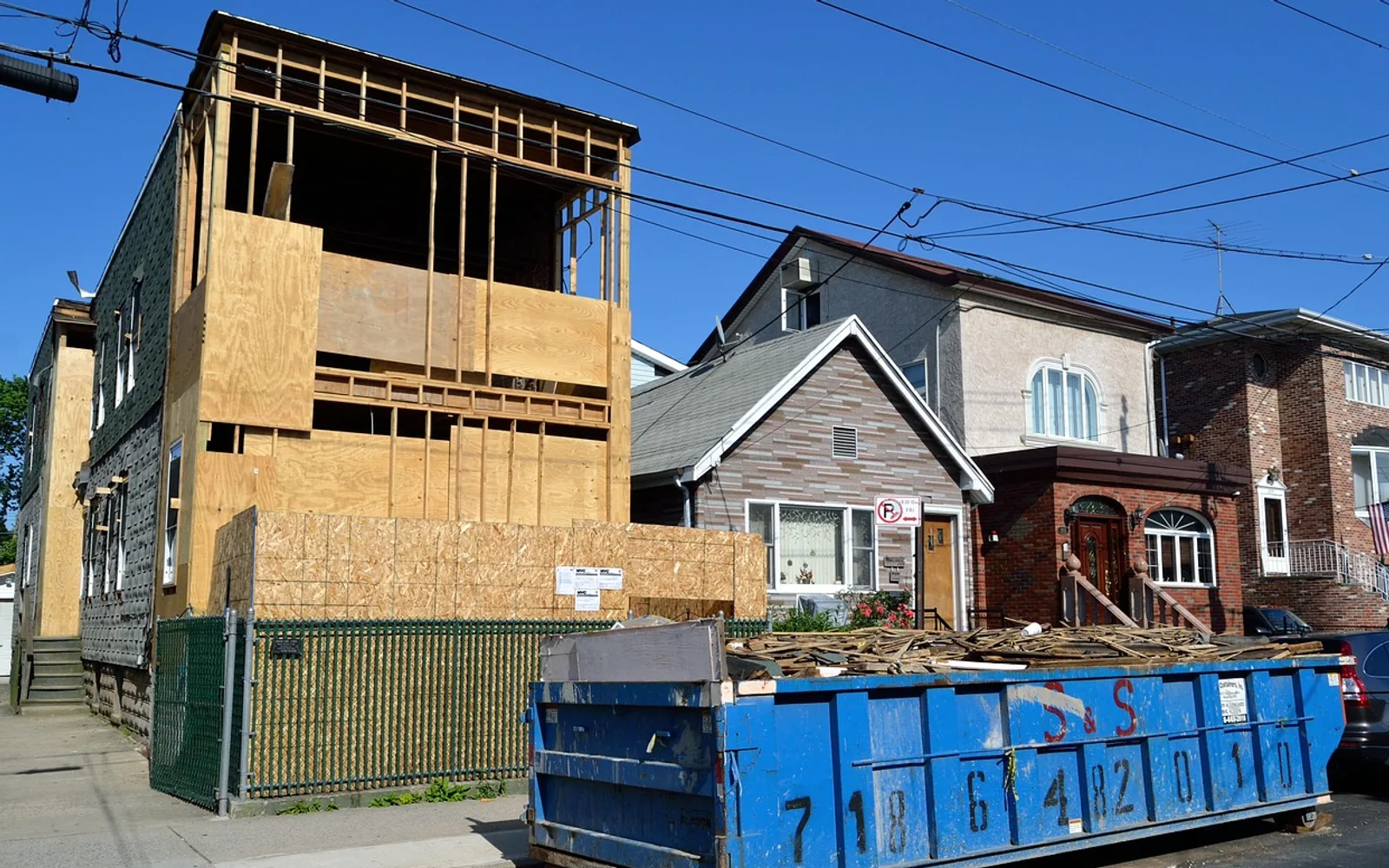
Waste is the part of a project nobody draws on the plans, yet it appears on day one and keeps arriving until the final clean. Old cabinets, offcuts, packaging, broken drywall and soil all need somewhere to go. Treated as an afterthought, debris slows crews down, clutters walkways and creates last-minute expenses. Treated as part of the schedule, it barely gets noticed. That is why experienced project managers think about bins as early as they think about materials.
Planning: estimate before you order
Every project produces a different waste profile. A kitchen renovation generates bulky cabinetry and countertops; a roof replacement creates heavy shingles; a landscaping job may mean soil and broken concrete. Estimating the type and rough volume of material helps choose the right size and number of containers. Ordering too small leads to overflow and extra pick-ups, while ordering too big wastes money and driveway space. Most rental firms will help with this estimate if you describe the job.
For projects in Alberta's largest city, it pays to compare garbage bin rentals in calgary early in the planning stage, since providers with local knowledge can advise on sizes, delivery windows and placement suited to the property.
On site: placement and flow
- Position the bin close to where demolition happens, but clear of access routes and overhead lines.
- Protect driveways with boards if the surface is delicate.
- If a container must sit on a public road, check the municipality's rules on permits first.
- Schedule swaps before the bin is full, so work never stops while crews wait.
Good placement keeps debris contained, which reduces trip hazards, nails underfoot and the general disorder that makes a site harder to supervise.
Sorting, compliance and the environment
Many materials have better destinations than landfill. Clean metal, cardboard, concrete and some wood can often be recycled, and certain items, such as paint, batteries, chemicals and appliances containing refrigerants, usually need separate handling. Ask the rental company what can and cannot go in each bin. Following those rules avoids surcharges and keeps the project on the right side of local regulations, something clients increasingly care about.
Closing out the job
The final phase often produces a burst of waste as temporary protection, offcuts and packaging are cleared away. Planning a last pick-up after the clean ensures the site is handed over tidy. A short review afterwards, noting how many bins were used and whether the timing worked, sharpens estimates for the next project. Small as it seems, the humble bin ends up shaping safety, budget and schedule more than many line items on the plan.




Tell us what you think.
We read every message.