Tips on Howto Make aGood Journal
· 2 min
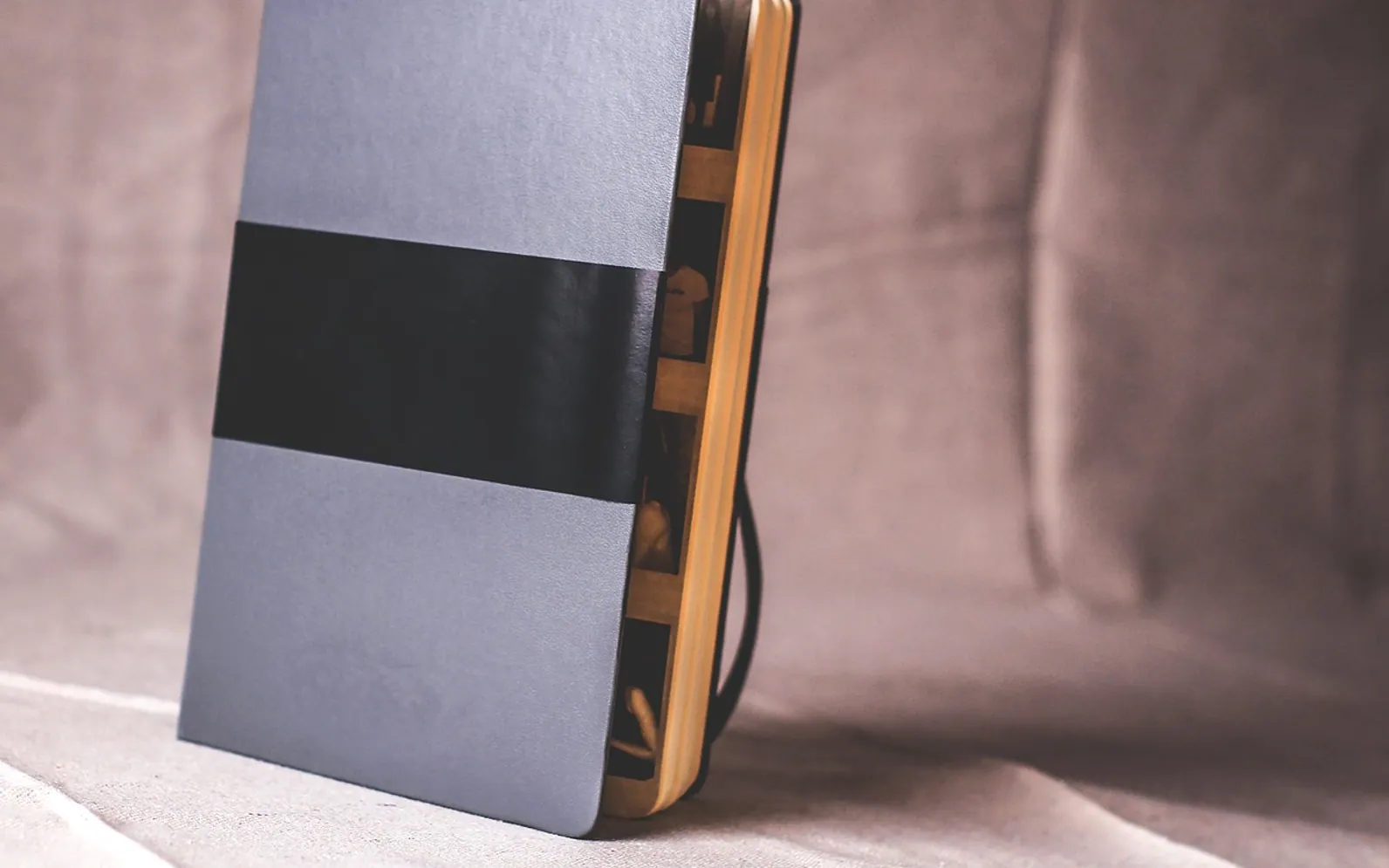
A journal is one of the simplest learning tools there is: a place to catch ideas, notice patterns in your own thinking and look back at how they changed. The difference between a notebook abandoned after three pages and one filled cover to cover usually comes down to a few habits rather than talent.
Keep it within reach
Ideas arrive on buses, in queues and halfway through a conversation. A journal that lives in a drawer misses most of them. Choose a size that fits a bag or coat pocket and make carrying it automatic. When it is not with you, jot notes on whatever is handy, a receipt, a sticky note or the back of a ticket, and tuck or tape them into the pages later. Those loose scraps often become the most interesting entries.
Regularity matters more than length. A few lines several times a week build a richer record than one long session every month. Some people find a fixed moment helps, such as the first coffee of the day or the last minutes before sleep.
Pick materials you enjoy using
A journal is personal, and the stationery shapes how it feels to write. Lined paper suits flowing prose; dotted or blank pages leave room for sketches, diagrams and lists. Some prefer handmade paper or a sturdy cloth cover, others a plain exercise book that never feels too precious to fill. Try a few options before settling. The right pen counts as well: one that glides comfortably makes it more likely you will pick it up.
Write by hand when you can
Note-taking apps are useful, but handwriting brings something different. It slows thought just enough to give it shape, and the marks themselves carry information. Looking back, the pressure of the pen, rushed letters or careful lettering can recall the mood of the day better than typed text. Many people keep a digital list for practical tasks and reserve the paper journal for reflection.
Give it some structure
- Leave the first two or three pages blank to build a contents list as you go.
- Number the pages so entries are easy to find.
- Date every entry, even a single line.
- Use simple symbols or coloured tabs for recurring themes, such as books, travel or projects.
- Reserve a section at the back for quotations, words to look up or questions to explore.
Structure need not be rigid. A loose system that you actually follow beats an elaborate one that collapses after a fortnight.
Let it be imperfect
Crossings-out, coffee rings and pasted-in clippings are part of the record. A working notebook is meant to look used. Reading how others approach the habit can help too; even a general journal of local news reminds us that recording everyday events, day after day, is what eventually turns ordinary notes into a story worth rereading. Over months and years, the collection becomes a map of what you noticed, learned and wondered about.



Tell us what you think.
We read every message.