History and Developmentof Train HornTechnology
· 2 min
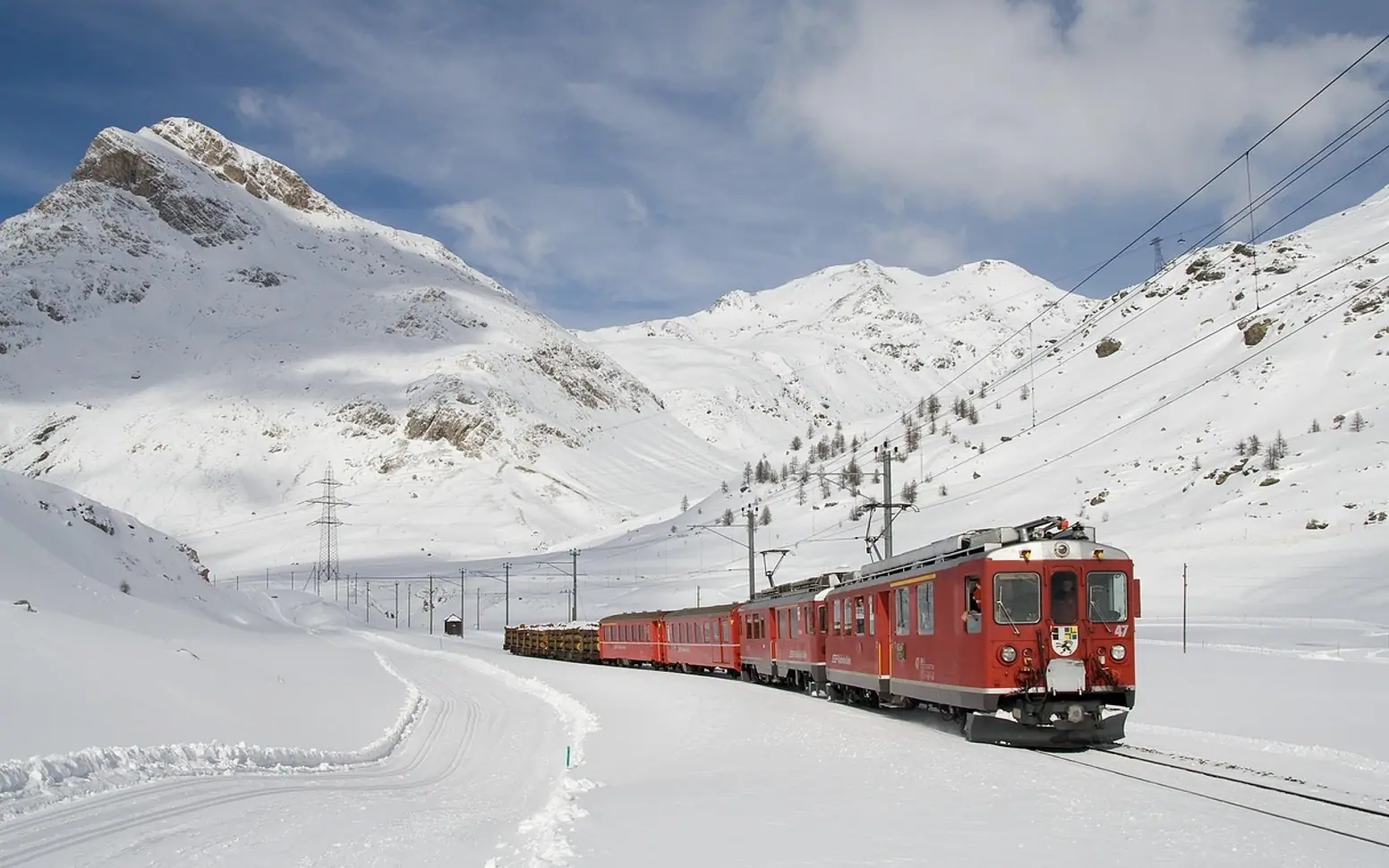
Few sounds carry as much meaning as a train announcing itself at a level crossing. That call, now produced by compressed air rather than steam, is the product of more than a century of engineering, regulation and a surprising amount of musical thinking. Its story also explains why so many enthusiasts collect, restore and fit an air horn of their own, drawn by the same commanding tone that once echoed across rail yards.
The age of steam whistles
Early locomotives warned of their approach with whistles driven by steam from the boiler. Crews soon learned to use them as a language: long and short blasts signalled starting, stopping, approaching a crossing or calling for brakes. Whistles were tuned in different ways, and some railways became known for a particular sound. Because each engine's whistle had its own voice, people living near the line could often tell which train was passing without looking.
Compressed air takes over
Steam whistles depended on steam. When diesel and electric locomotives replaced steam power, railways needed a new signal, and compressed air was the natural answer. Air horns use a diaphragm that vibrates as air rushes past, with a flared bell shaping and projecting the sound. They are compact, reliable in cold weather and loud enough to cut through wind and engine noise.
Designers soon realised that one note was not enough. Horns with several bells, each tuned to a different pitch, produce a chord that is easier to hear and harder to ignore. Makers such as Leslie and Nathan became famous among rail fans for their multi-chime designs, some of which are still sought after by collectors.
Rules, safety and quiet zones
As rail traffic grew, so did regulation. Authorities in many countries set out when horns must be sounded, in what pattern and how loud they should be. In the United States, federal rules set both minimum and maximum sound levels for locomotive horns and allow communities to establish quiet zones where crossings have extra safety measures. These rules reflect a balance between warning people effectively and limiting disturbance for neighbours.
Modern refinements
Today's horns benefit from better materials and more precise manufacturing. Engineers pay attention to how sound spreads, aiming it along the track rather than into surrounding homes. Some systems place horns at crossings themselves, so the warning is heard where it is needed most. Durability matters too: horns must perform in extreme heat, cold, dust and rain for years with minimal attention.
A sound with a following
Train horns have found a life beyond the railway. Truck drivers, boat owners and hobbyists fit them for their distinctive tone, and there is a lively community that restores vintage horns and records their sounds. Films and songs use the horn as shorthand for distance, departure and the open road. Anyone fitting one to a vehicle should check local rules on horn volume and use, but for many fans the appeal is simply the history they hear every time the bells sing.




Tell us what you think.
We read every message.