Sweet Traditions: AfricanDessert Recipes YouCan Master atHome
· 2 min
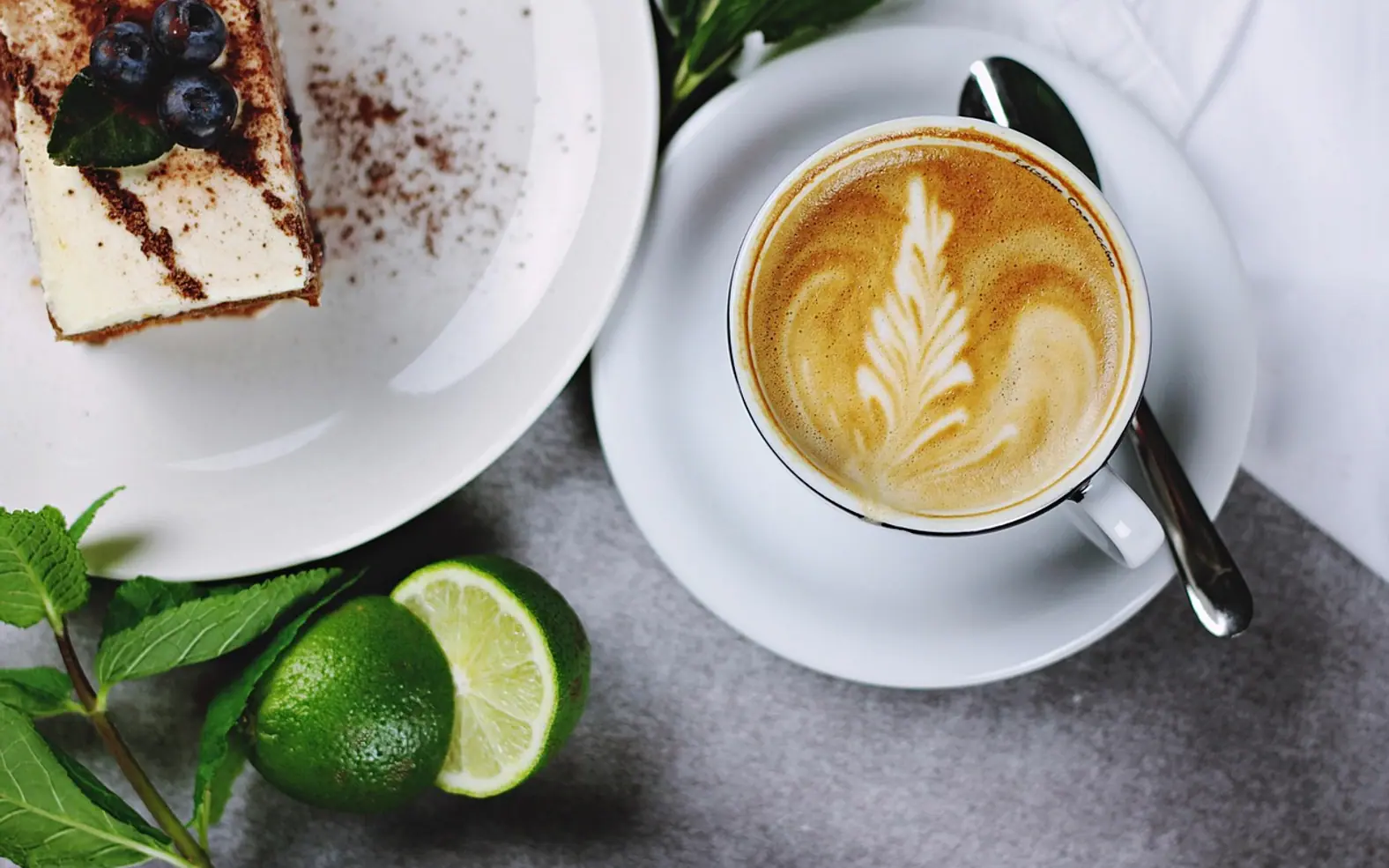
Desserts are where a cuisine often reveals its history most clearly. Across Africa, sweets carry traces of ancient grain cultures, centuries of spice trading, colonial-era pantries and modern home kitchens that adapt everything to what is in season. Many of them are surprisingly easy to make, needing little more than flour, sugar, a few spices and some patience at the stove.
Start with the pantry
A small collection of ingredients opens the door to dozens of recipes. Nutmeg, cinnamon, cardamom and ginger turn up across the continent. Coconut, grated or as milk, is central along the eastern coast. Dates and honey shape North African baking, while groundnuts, plantains and millet appear in many western and central kitchens. Collections of African dessert recipes are a helpful starting point for discovering how these ingredients combine, and for finding the spices that give each sweet its character.
Five sweets to try
Malva pudding (South Africa)
A soft, apricot-flavoured sponge is baked and then soaked with a warm butter-and-cream sauce until it turns sticky and rich. It is a classic finish to Sunday lunch, often served with custard.
Chin chin (West Africa)
A lightly sweetened dough, often scented with nutmeg, is rolled thin, cut into small pieces and fried until crisp. Stored in an airtight jar, it makes a festive snack that keeps well.
Mandazi (East Africa)
These triangular doughnuts get a gentle fragrance from cardamom and, in many homes, a splash of coconut milk. They are enjoyed with tea in the morning or as an afternoon treat.
Koeksisters (South Africa)
Plaited dough is fried and plunged straight into cold, spiced syrup, giving a crunchy outside and a syrupy centre. The contrast of temperatures is the secret.
Date-filled semolina pastries (North Africa)
Semolina dough is wrapped around a date paste, sometimes perfumed with orange blossom water, then baked or fried and glazed with honey. They pair beautifully with mint tea.
Technique notes for home cooks
- When frying, use a thermometer or test with a small piece of dough so the oil is hot enough to crisp without burning.
- Let syrups cool fully when a recipe asks for it; temperature contrast changes the texture.
- Grate whole spices fresh where possible for a brighter aroma.
- Make a half batch first, then adjust the sweetness to your taste.
Sharing the stories
Part of the pleasure of cooking these desserts is learning where they come from. Ask relatives or friends with roots in the region how their families make them, and you will hear about festivals, weddings, Ramadan evenings and Christmas tables. Each version is slightly different, which is exactly the point: these are living recipes, meant to be cooked, shared and passed on.


Tell us what you think.
We read every message.