Basic Home RepairSkills Worth Learning
· 3 min
A dripping tap, a sticking door, a nail hole left by an old picture: most homes produce a steady trickle of small problems. Paying someone for each one adds up, and waiting for a visit can take longer than the fix itself. A short list of basic skills covers a surprising share of these jobs, and learning them is closer to a hobby than a chore.
Start with the emergency basics
Before anything else, know where the controls are. Find the main water stop valve, the electricity consumer unit or fuse box and, if you have one, the gas shut-off. Label them and show everyone in the household. In a burst-pipe situation, minutes matter, and the steps worth taking before a plumber arrives all begin with turning the water off.
Skills to learn first
| Skill | Typical use | Tools needed |
|---|---|---|
| Filling holes and cracks | Nail holes, small dents, hairline plaster cracks | Filler, filling knife, sanding block |
| Fixing a dripping tap | Worn washers or cartridges | Adjustable spanner, replacement part |
| Bleeding radiators | Radiators cold at the top | Radiator key, cloth |
| Re-sealing a bath or shower | Mouldy or cracked silicone | Scraper, silicone sealant, gun |
| Freeing a sticking door | Loose hinges, swollen edges | Screwdriver, plane or sandpaper |
| Unblocking a sink | Slow drains, trapped debris | Plunger, bucket, gloves |
Each of these takes an hour or less once you have done it once. Pick one, watch a reliable demonstration, gather the tools and try it on a calm afternoon rather than in a crisis.
Learn preparation, not just the fix
Most poor results come from rushing the groundwork. Filler cracks when applied to dusty surfaces; sealant peels when the old layer was not fully removed; paint flakes over grease. The careful sequence of checking, cleaning, filling and priming described in preparing walls and woodwork before painting applies to almost every finish in the house.
A small starter kit
- Screwdrivers in several sizes, both flat and cross-head
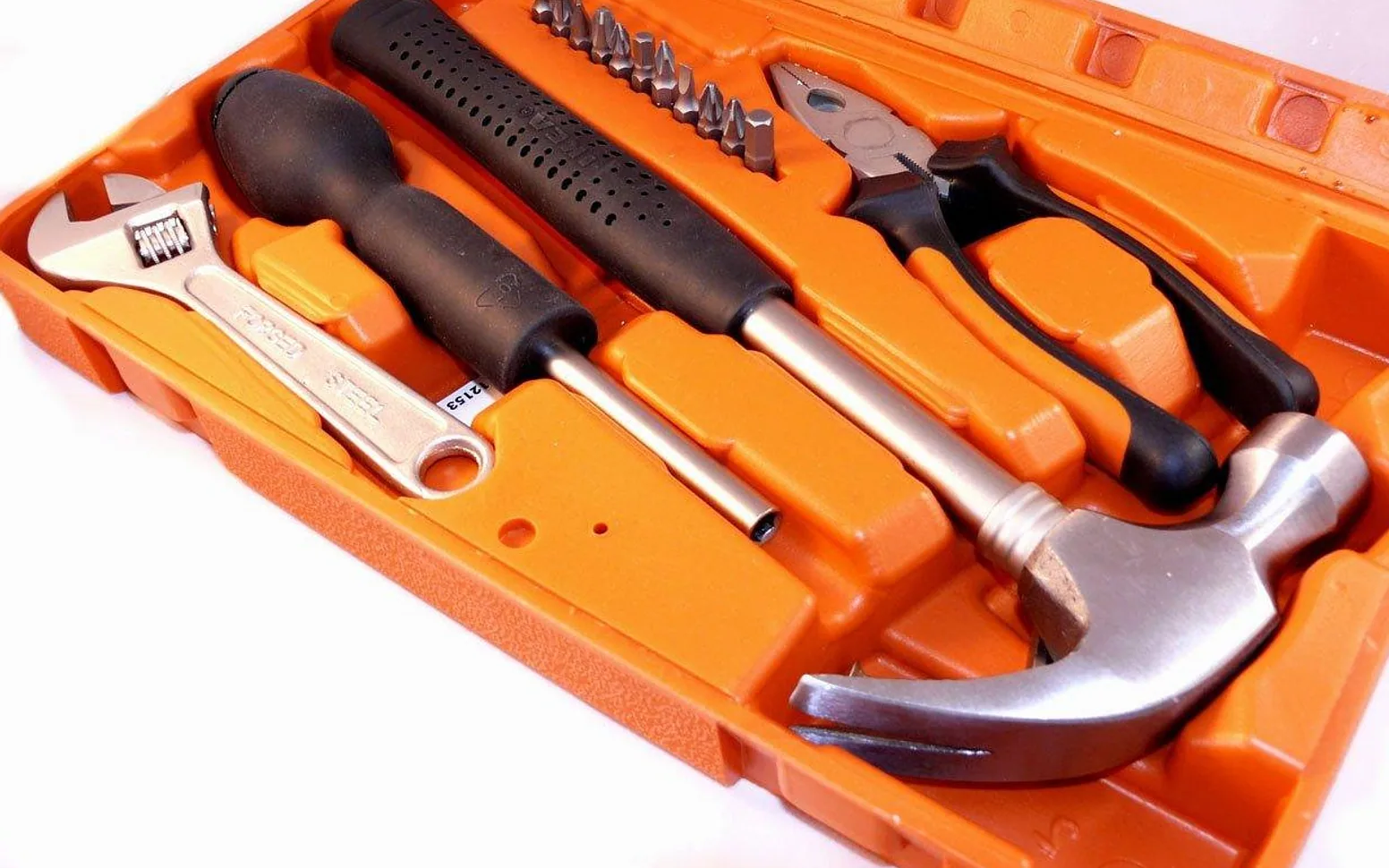
- A claw hammer and a small tin of assorted screws and wall plugs
- An adjustable spanner and a pair of pliers
- A tape measure, a spirit level and a pencil
- A utility knife, filler and a flexible filling knife
- A torch and a cordless drill once you need one
Know where to stop
Some work is not a beginner's project, whatever an online video suggests. Electrical wiring, gas appliances, structural changes and anything on a high roof carry real risks, and in many places they legally require a qualified tradesperson. Leaks inside walls, persistent damp and repeated blockages are also signs of a bigger problem worth having assessed. Knowing when to call in help is a skill too.
Practise where mistakes are cheap
The first attempt at any repair is the clumsiest, so choose a low-stakes spot for it. Fill a hole inside a wardrobe before tackling the living room wall. Run a bead of sealant along the back of a utility sink before the main bathroom. Offcuts of plasterboard or timber from a builder's skip, with permission, make useful practice pieces too.
Work slowly, read the instructions on every tube and tin, and wear eye protection whenever you drill, scrape or sand. Gloves, a dust mask and a stable stepladder are part of the kit, not optional extras.
Keep a repair notebook
Write down what you fixed, which parts you used and where you bought them. The next time the same tap drips, you will know the washer size at a glance. It works the same way as a learning log for any new skill: a few lines after each job turn scattered attempts into steadily growing know-how.




Tell us what you think.
We read every message.