Going to theCinema in Seoul:Booking, Subtitles andScreen Formats
· 4 min
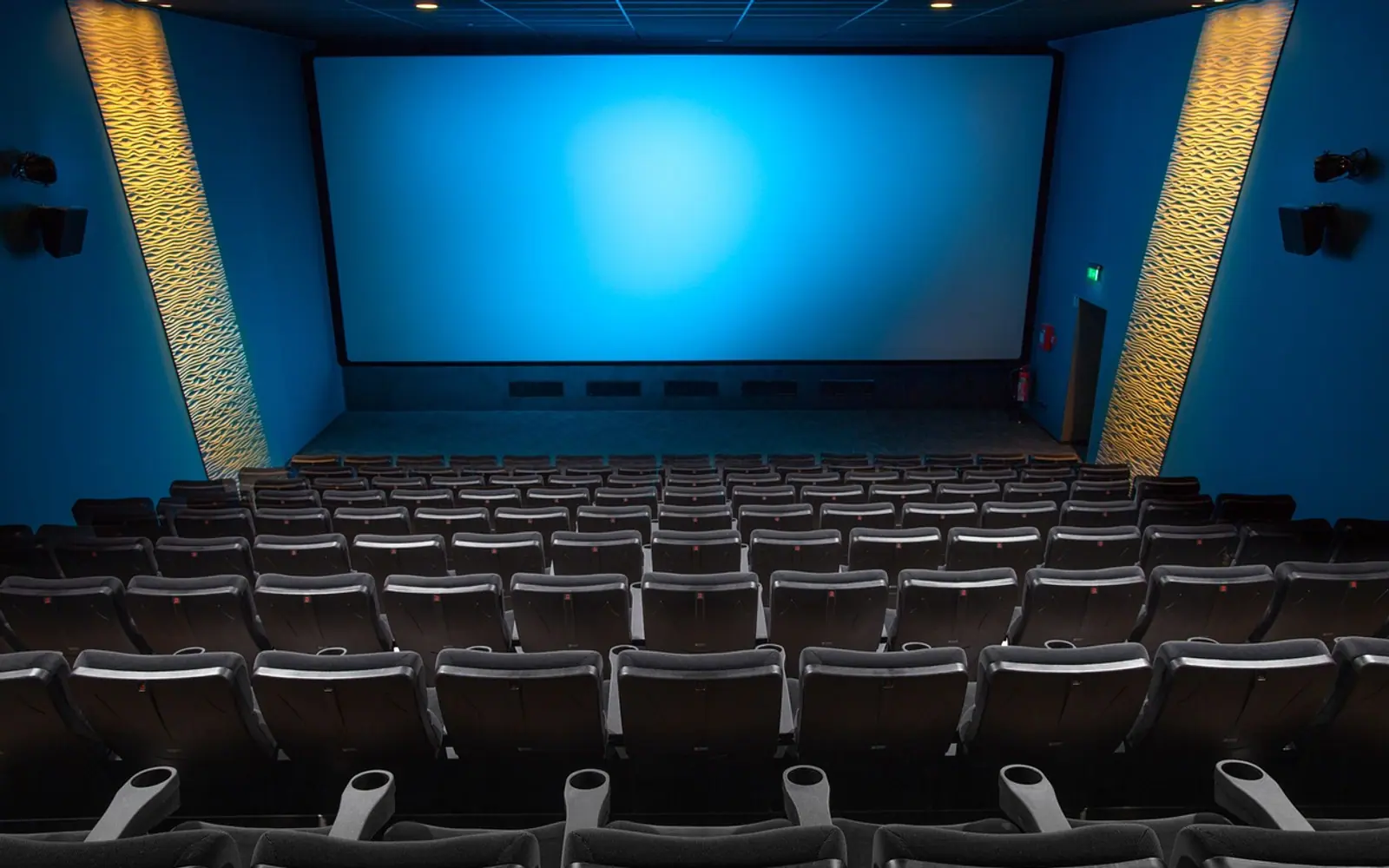
Seeing a film in Seoul is straightforward once you know that almost every seat is reserved in advance. You pick a showing and a specific seat, usually through a booking app or a ticket kiosk in the lobby, then walk in just before the trailers. Foreign films generally keep their original soundtrack with Korean subtitles, while Korean films are rarely subtitled in English except at selected showings. The rest comes down to choosing a screen format and deciding what to do once the credits roll.
How a Korean multiplex is organised
Most cinemas in the city sit on the upper floors of shopping centres, department stores or entertainment buildings, often sharing the space with restaurants and cafes. A typical multiplex has a ticketing area with self-service kiosks, a snack counter, and anywhere from a handful to a dozen or more auditoriums. Screens are numbered, and your ticket shows the hall, the row letter and the seat number.
Because seating is assigned, there is little reason to queue early. Staff check tickets at the entrance to the corridor rather than at each door, and latecomers find their seat by the letters printed on the aisle steps. Popular evening and weekend showings of new releases can sell out, so booking a day or two ahead is sensible for anything you particularly want to see.
Booking a seat
The large chains each have their own app and website, and several general ticketing and portal apps also sell cinema seats. The flow is similar everywhere:
- Choose the cinema location and the date.
- Select the film and a showing time; the format (standard, 3D, large screen and so on) is listed beside each time.
- Pick the number of tickets and the ticket type.
- Choose seats on the seating plan; taken seats are greyed out.
- Pay and keep the booking code or QR code for the entrance.
Some apps require a Korean phone number for membership features, so visitors may find it easier to use the kiosks on site. Kiosks usually have an English menu option.
Premium formats worth knowing about
Seoul's cinemas offer a wider range of halls than many cities, and the format affects both the experience and how quickly seats go.
| Format | What it means | Suits |
|---|---|---|
| Large-format screens | An oversized screen with enhanced projection and sound | Big-scale action, nature and space films |
| Moving-seat halls | Seats that tilt and vibrate with effects such as wind, mist or scent | Action and adventure films; not ideal for anyone prone to motion sickness |
| Wide panoramic halls | Images extend onto the side walls for certain scenes | Films shot with this format in mind |
| Comfort halls | Recliners or sofa-style seating with fewer rows | Long films and date nights |
Not every film is released in every format, and the same title can play in a standard hall and a premium hall side by side. The format label next to each showing tells you which one you are booking.
Subtitles: foreign films and Korean films
Hollywood and other foreign-language releases are normally screened in their original language with Korean subtitles. Dubbed versions exist mainly for animated family films, and they are clearly marked, so check the listing if you want the original soundtrack.
Korean films are the harder case for visitors who do not speak the language. Some cinemas schedule showings with English subtitles for major domestic releases, typically a limited number per week at selected branches. Search the listings for an English-subtitle tag, or ask at the counter. Film festivals held in the city also tend to subtitle Korean works in English.
Independent and art-house screens
Alongside the multiplexes, Seoul has independent cinemas, film archive screenings and art-house halls tucked into cultural centres and smaller buildings. These programme older classics, documentaries, retrospectives and international festival titles that never reach the big chains. Screenings are often followed by talks with directors or critics, delivered in Korean. If you enjoy reading a film closely, the habits in our guide on how to watch a documentary critically work just as well for a retrospective of Korean cinema.
Cinema in the city's culture
Going to the movies is an ordinary, frequent outing in Seoul rather than a special event. Friends meet at the cinema floor of a mall, couples treat it as a standard evening plan, and domestic films regularly compete with international releases for screens. Korean cinema's international profile has also made film locations, festivals and archives part of how many visitors plan a stay, which is worth considering when you put together a travel itinerary for the city.
Plans for after the credits
Because cinemas share buildings with food courts and sit in busy districts, it is easy to roll straight into a late dinner. Another common choice is a private karaoke room, where a group can talk over the film and then sing for an hour. Overviews such as Gangnam Private Karaoke describe how room bookings in Gangnam work, which helps if you want to plan the second half of the evening in advance. If drinks are part of the night, pace yourself and take the subway or a taxi home rather than getting behind the wheel.
Do I need to arrive early for a reserved seat?
No. Arriving a few minutes before the listed time is enough, since trailers and adverts run first. Allow a little extra time if you still need to print a ticket at a kiosk.
Can I bring my own snacks?
Policies vary by cinema. Food from the counter is the norm, and strong-smelling meals are generally discouraged. Check the rules posted at the entrance if you are unsure.
With a seat booked, a format chosen and the subtitle question settled, a night at the movies in Seoul is one of the easiest ways to spend an evening in the city.




Tell us what you think.
We read every message.