How Museums andLecture Series UseSocial Media
· 5 min
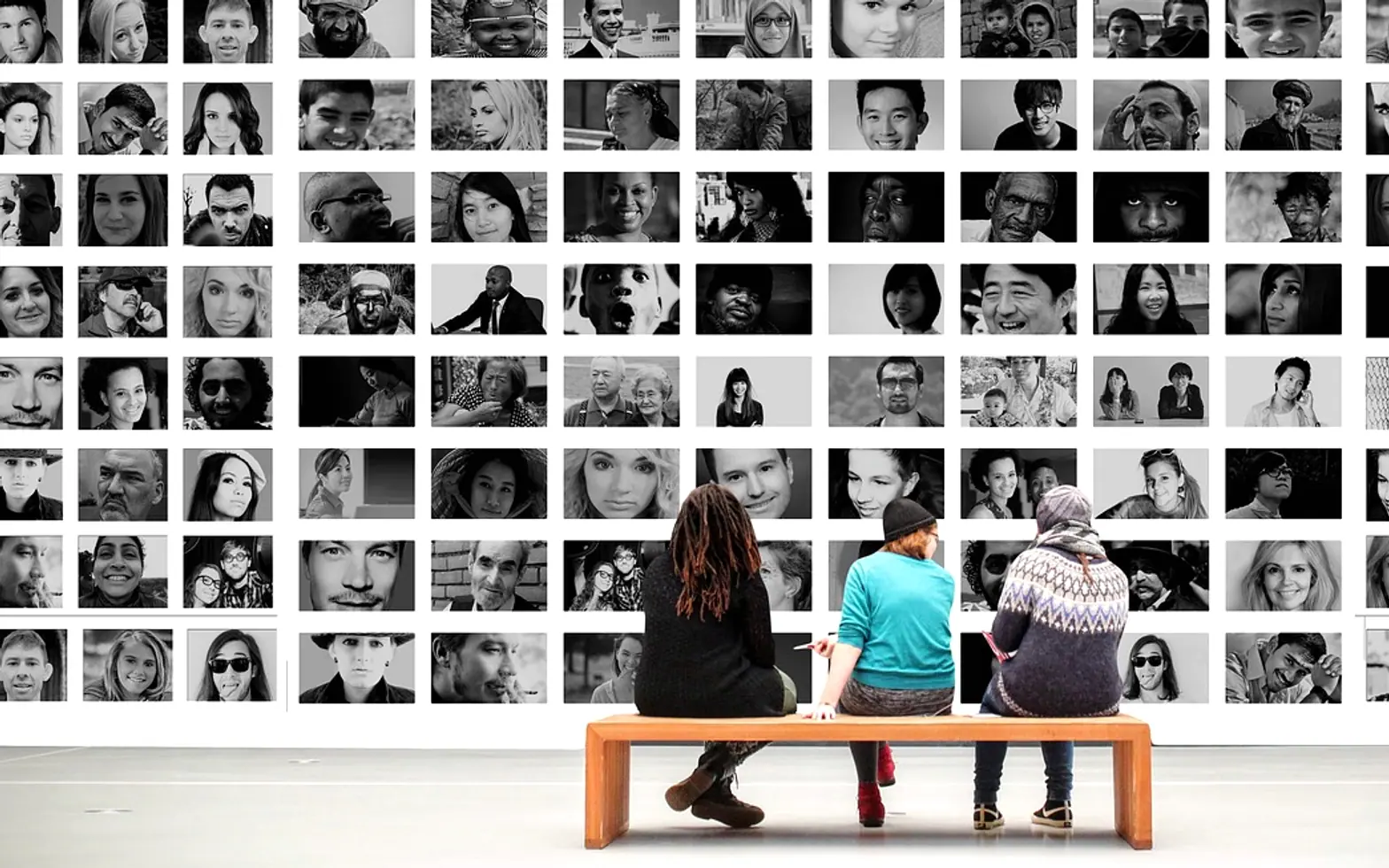
Museums, libraries and public lecture series use social media as an extension of their teaching. Instead of trying to show everything at once, they share one object, one idea or one short clip at a time, answer questions in public and make each post readable for people who cannot visit in person. The aim is less about promotion and more about keeping curiosity going between visits.
Why cultural institutions post at all
A gallery or reading room can only hold so many people, and an evening talk lasts an hour before the hall empties. Online, the same knowledge can reach someone on a lunch break, a student in another region or a retired reader who no longer travels. For institutions with an educational mission, that reach is the point: social media becomes a small, steady stream of learning rather than an advertising channel.
The object-of-the-day post
One of the most familiar formats is the single object, presented with a clear photograph and a few lines of context. A pottery shard, a page from an old atlas, a pressed flower from a herbarium drawer: each gets its own moment. The format works because it is small enough to read in under a minute and specific enough to feel like a real discovery.
Good object posts usually share a few habits:
- One fact that surprises. Where the object came from, what it was used for, or a detail people might miss.
- A question to the reader. "What do you think this tool was for?" invites replies without needing a contest.
- A path to more. A note on whether the item is on display, in a reading room or part of a digital collection.
Anyone who enjoys this kind of close attention will find the same skill useful on a real gallery floor, and our guide on getting more out of a museum visit by looking slowly covers how to apply it in person.
Short explainer videos
Short vertical clips have become a natural home for explainers. A curator holding a coin and explaining its inscription, a librarian showing how a book was bound, or an educator demonstrating a simple science experiment can say a great deal in sixty to ninety seconds. The strongest clips pick one question and answer it fully rather than summarising an entire exhibition.
These videos rarely need expensive equipment. Steady framing, decent light from a window and a quiet room matter more than any camera. Many institutions keep a simple format they repeat each week, so viewers recognise the series and know what to expect.
Live-streamed and recorded talks
Public lectures translate well to streaming. A talk that once reached a hundred seats can be watched live by people at home, then kept as a recording for anyone who missed it. Streaming also opens the floor: viewers can type questions that a moderator reads out during the session, which often brings in perspectives the room alone would not have raised.
Turning one lecture into several posts
A single hour-long talk holds material for weeks of sharing. A common workflow looks like this:
- Clip two or three short moments where the speaker makes a clear, self-contained point.
- Write a short text summary of the main argument, with the speaker's permission.
- Share one image or slide that explains an idea on its own.
- Post a follow-up answering a question that came up but ran out of time.
- Offer the full recording, or an audio version, for people who want the whole talk.
The audio route is especially handy for listeners who prefer to learn while walking or commuting, and the steps in starting a podcast at home apply neatly to turning a lecture archive into a listenable series.
Behind the scenes: conservation and research
Conservation work is slow and careful, which makes it surprisingly compelling to follow. Posts showing a textile being cleaned thread by thread, a manuscript being stabilised, or a fossil being prepared over several months let audiences watch a process unfold. Updates over time create a small narrative: before, during and after.
Such posts can also explain why some items are rarely displayed or why gallery lighting is kept low.
Answering questions in public
Comment sections can work like an open enquiry desk. When someone asks how to research a family document or where to find a certain map, a helpful reply benefits everyone reading the thread. Some institutions run regular question sessions where a specialist answers whatever comes in for an hour.
A friendly, patient tone matters here. Short, correct answers, a pointer to further reading and an honest "we're not sure, but here is where to look" keep the conversation trustworthy.
Accessibility as standard practice
Cultural institutions often hold themselves to a high standard on accessibility, and social media is no exception. The common basics are easy to adopt:
| Practice | What it helps with |
|---|---|
| Captions on every video | Viewers who are deaf or hard of hearing, and anyone watching with sound off |
| Alt text on images | People using screen readers to understand what an object looks like |
| Plain-language descriptions | Younger readers and those reading in a second language |
| Readable contrast in graphics | Viewers with low vision or on small, bright screens |
Good alt text describes the object itself, not just its title: material, colour, size and any notable marks.
Who does the work
In small museums and libraries, posting often falls to an educator or a librarian who fits it around other duties. Larger institutions may have a communications team, and some bring in outside help for planning or reporting, for example from an agency offering Social Media Marketing Solutions, while subject experts still supply the knowledge. Whatever the setup, the content tends to work well when curators, conservators and speakers stay closely involved.
How often should an institution post?
Consistency matters more than volume. A weekly object post and a monthly talk clip, kept up reliably, usually serve audiences more reliably than a burst of daily posts followed by silence.
Do posts replace visiting in person?
Rarely. For many people, an online feed works as a reason to visit or attend rather than a substitute. The online stream keeps the interest warm until the next opportunity to see things up close.

Tell us what you think.
We read every message.