How to Lookat Art: GettingMore Out ofa Museum Visit
· 4 min
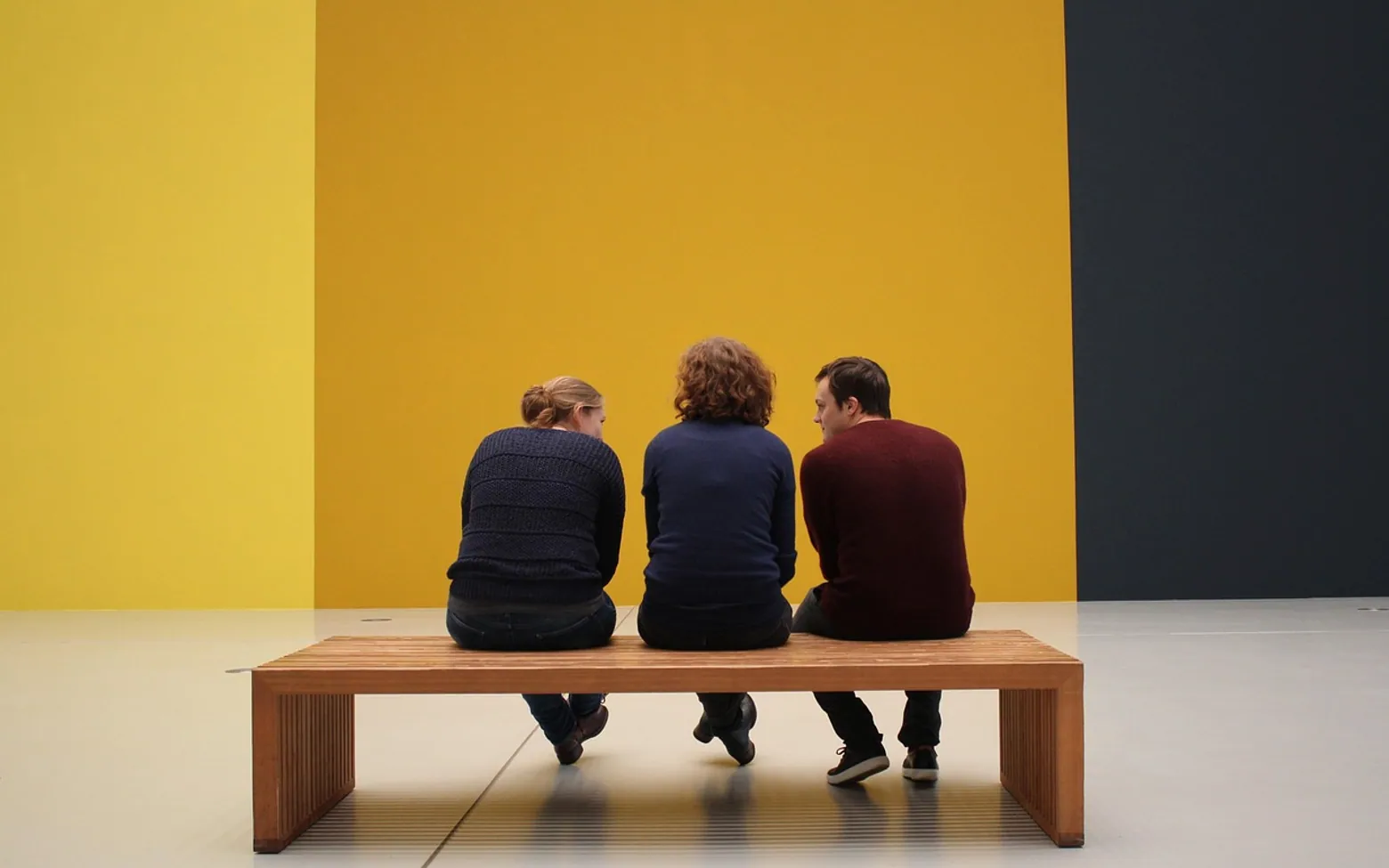
The simplest way to look at art is to see less of it, more slowly. Choose a few works, give each one several minutes, and move from first impression to detail to meaning before you read the label. A short, focused museum visit usually leaves far more behind than a marathon through every gallery in the building.
Before you go
A little planning saves your energy for the looking itself.
- Pick a wing, not a building. Large museums cannot be absorbed in a day. Choose one collection or one temporary exhibition.
- Check opening hours and quieter times. Weekday mornings and late openings are often calmer than weekend afternoons.
- Decide how long you will stay. Leave while you are still enjoying it, and plan a café break in the middle if you want a longer visit.
- Bring a small notebook. A few lines or a rough sketch will help a work stay with you.
When the museum is part of a trip, give it a proper slot in the day like any other highlight. The approach in how to make a travel itinerary helps you avoid squeezing a major gallery between two long transfers.
A slow-looking method in four stages
In front of a painting, sculpture or photograph, try moving through these stages before glancing at the wall text.
- First impression. What do you notice in the first few seconds? A colour, a face, a mood, a strange detail? Note it without judging.
- Inventory. Describe what is actually there, as if to someone on the phone: people, objects, setting, light, time of day, materials.
- Structure. Look at how the work is built. Where does your eye land first, where does it travel next, what sits in the centre and what is pushed to the edges?
- Meaning. Only now ask what it might be about, why the artist made these choices and how it makes you feel. Then read the label and see what it adds or changes.
The elements of art, in plain words
Art teachers often describe the building blocks of a work as its elements. Knowing their names gives you something concrete to look for.
| Element | A question to ask |
|---|---|
| Line | Are the lines calm and straight, or nervous and broken? |
| Shape and form | Which shapes repeat? Does anything look solid enough to touch? |
| Colour | Is the palette warm, cool, bright or muted? Where is the strongest colour? |
| Value | Where are the lightest and darkest areas, and what do they pick out? |
| Texture | Is the surface smooth, rough or layered, or painted to suggest a texture? |
| Space | Does the scene feel deep or flat? What is near, and what is far away? |
Reading composition
Composition in art is the arrangement of those elements. The principles of art, such as balance, contrast, emphasis, rhythm and unity, describe how that arrangement behaves. You do not need the vocabulary to feel them, but naming them sharpens the eye. Notice whether a picture is symmetrical or deliberately lopsided, where the strongest contrast sits, and whether repeated shapes set up a rhythm that pulls you across the surface.
A handy trick is to squint. Fine detail blurs and the main masses of light and dark appear, revealing the underlying structure in seconds.
Getting more from the rest of the visit
- Use the benches. Sitting in front of one work for five minutes is a different experience from walking past it.
- Follow a thread. Choose a theme, such as hands, windows or the colour blue, and look for it from room to room.
- Talk it through. With a companion, take turns describing a work before either of you gives an opinion.
- Keep the shop for last, and brief. A postcard of a favourite piece is a cheap, effective reminder.
- Respect the house rules. Keep a step back from the works, check whether photography is allowed, and keep bags from swinging near frames and plinths.
Remembering what you saw
Museum visits fade quickly unless something anchors them. Before leaving, sit down and write the names of the three works that stayed with you and one sentence about each. Photos help too, as long as you take them after looking rather than instead of looking; the advice on taking better travel photos applies to gallery shots as well, minus the flash. If you already keep a learning log, a museum entry slots right in.
Questions people ask
Do I need to know art history to enjoy a museum?
No. Background knowledge adds layers, but careful looking comes first, and labels, audio guides and free tours supply context. Plenty of visitors start with curiosity alone and pick up the history gradually.
What about museums that are not about art?
The same habits work in history, science and natural history museums. Choose one section, slow down at a few objects, ask what each one is, how it was made or used and why someone kept it, and only then read the panel.


Tell us what you think.
We read every message.