How to Starta Podcast
· 4 min
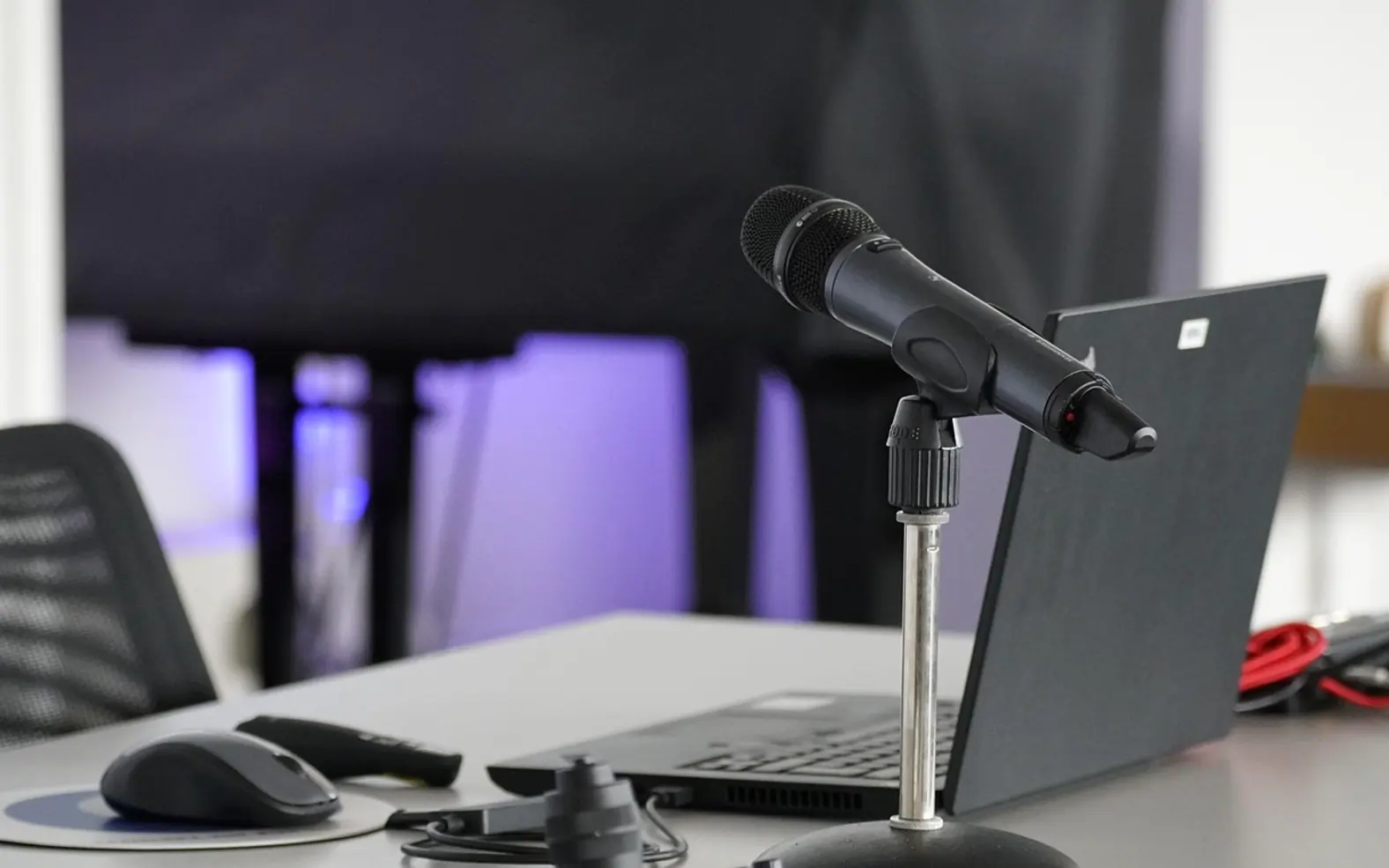
Plenty of people carry a podcast idea around for years. They talk about a favourite subject with friends, imagine how it would sound as a series, and then stall at the point where microphones, hosting and editing software come into the picture. The good news is that the technical side is far smaller than it first appears. What decides whether a show survives past episode three is mostly the idea and the routine behind it.
Start with a question, not a format
Before thinking about intros or cover art, write down the question your show answers. "Why do old maps look the way they do?" is a stronger starting point than "a podcast about history". A clear question tells you which guests to invite, which episodes belong and which tempting tangents can wait for another project.
It also helps to picture one listener. Perhaps someone who walks the dog every morning and wants twenty minutes of something interesting. Designing for that person gives you a natural episode length and a tone that feels like conversation rather than a lecture.
Pick a shape you can sustain
- Solo episodes are easy to schedule but need careful preparation so you do not ramble.
- Co-hosted shows bring natural back-and-forth, though both people must commit to the same rhythm.
- Interview formats introduce variety, at the cost of arranging times and recording remote voices.
- Narrative or documentary-style episodes are rewarding and slow; they suit a season rather than a weekly slot.
Sound matters more than equipment
A listener will forgive a modest microphone long before they forgive echo. Soft furnishings absorb reflections, so a bedroom with curtains, a rug and a full wardrobe usually beats a bare kitchen. Some hobbyists record with a duvet draped over a clothes horse, and it works surprisingly well.
As for the microphone itself, a dynamic model held close to the mouth picks up less of the room than a sensitive condenser that hears every passing car. A USB microphone plugged straight into a laptop is a perfectly reasonable beginning. Headphones while recording let you hear problems such as hum, clipping or a buzzing fridge before they are baked into an hour of tape.
| Setup | Good for | Watch out for |
|---|---|---|
| Phone with a wired headset mic | Testing the idea, recording on the move | Handling noise and inconsistent levels |
| USB microphone and laptop | Solo and remote shows | Typing and fan noise near the desk |
| Audio interface with XLR microphones | Two or more people in one room | More cables, more settings to check |
Record a pilot nobody hears
Make one complete episode purely as practice. Plan it, record it, edit it and listen back on the device your imagined listener would use, perhaps cheap earbuds on a bus. You will notice filler words, a section that drags and moments where you sound unsure. That is the point. Fixing them now costs nothing, while fixing them after launch means re-recording in public.
A loose outline usually beats a full script. Note the opening hook, three or four talking points and a closing thought, then speak around them. If you enjoy writing to think, the habits described in our piece on journaling carry over neatly to planning episodes.
Edit lightly and consistently
Free editors are capable enough for a first season. Concentrate on a small set of jobs:
- Cut false starts, long pauses and anything you would not say again.
- Even out volume so quiet and loud passages sit comfortably together.
- Add a short, recognisable intro and outro, using music you have the right to use.
- Export at a common podcast setting so every episode sounds alike.
Resist the urge to polish forever. A natural conversation with a few rough edges is more pleasant to hear than an over-processed one where every breath has vanished.
Publishing without the jargon
A podcast is, underneath, an audio file plus a feed that apps can read. A podcast hosting service stores your files and produces that feed, and you submit it once to the main listening apps. After that, every new upload appears for subscribers on its own. Write a plain show description that answers your original question, and give each episode a title that says what the listener will learn rather than a clever in-joke.
Cover art and show notes
Cover art is viewed at thumbnail size, so a bold shape and a few large words work better than a detailed photograph. Show notes are where you list the topics covered and anything you mentioned, which helps listeners who want to follow up and gives search engines something to read.
Keep the habit going
Consistency builds an audience more reliably than any single brilliant episode. Choose a pace you can manage even in a busy month; fortnightly is a kind schedule for most hobbyists. Batch-record two or three episodes when you have energy, so a cold or a holiday does not break the run.
If your show grows into longer, story-driven pieces, the planning steps in our guide on making a documentary on a small budget translate surprisingly well from pictures to sound.
Most of all, keep the original curiosity in view. The shows people stay loyal to are usually the ones where the host is clearly enjoying finding things out, episode after episode.

Tell us what you think.
We read every message.