How to Makea Documentary ona Small Budget
· 4 min
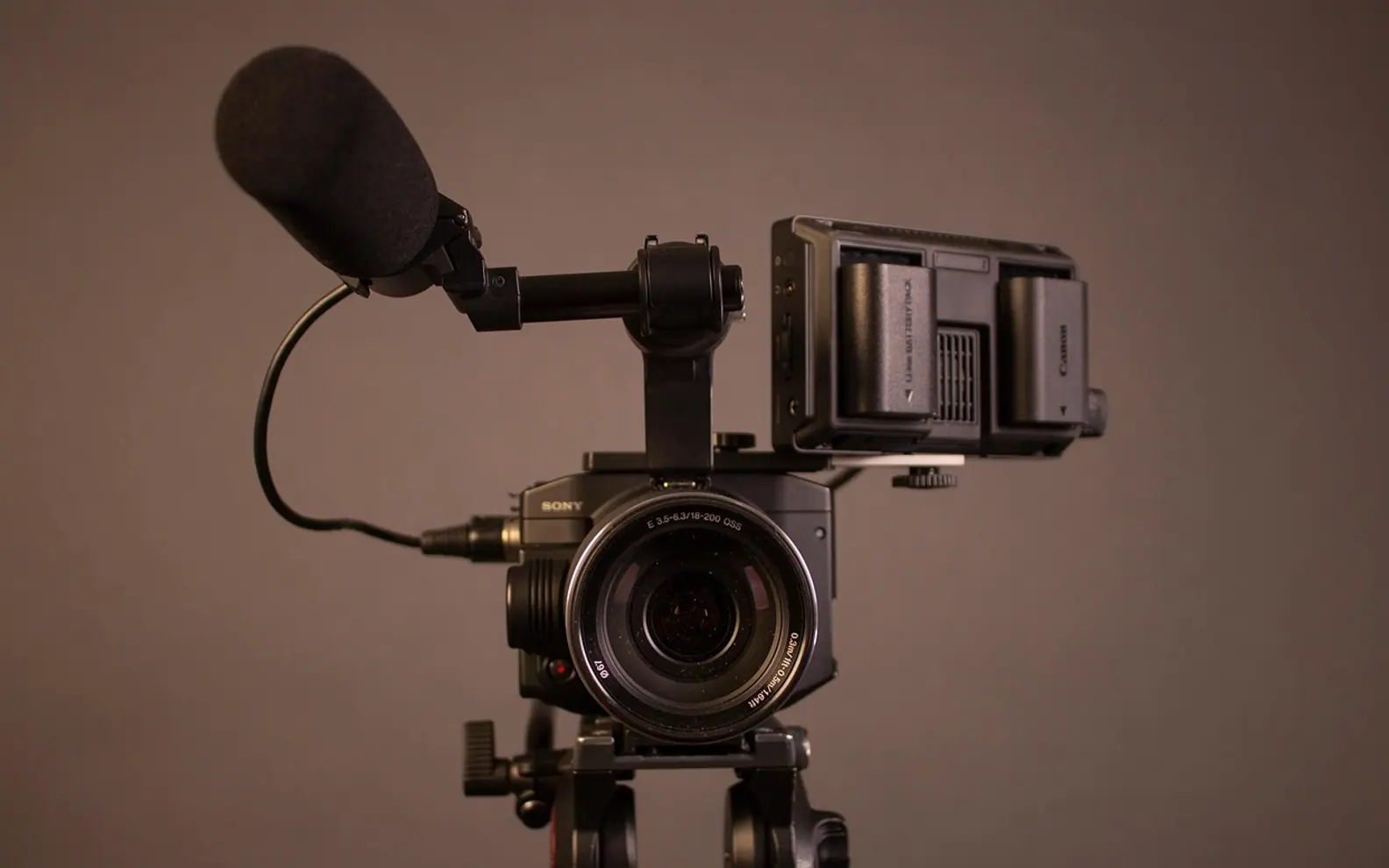
Some of the most memorable documentaries were made by tiny crews with borrowed equipment and a great deal of persistence. What they share is not money but access, curiosity and a clear sense of what the film is about. If you have a phone that records decent video and a subject you care about, you already have the starting point.
Find a story you can reach
Budget problems often begin with ambition that outstrips access. A film that requires flights, permits and archive licences will stall quickly. Look closer to home instead: a local craftsperson, a community garden, a family recipe passed down through generations, a club that has met on the same night for decades. Stories within reach let you film repeatedly, which is how documentaries capture change over time.
Write a one-sentence premise. "A retired engineer restores clocks for neighbours and refuses payment" gives you a character, an activity and a tension worth exploring. Keep that sentence pinned above your desk; it will settle many later decisions.
Research and plan before filming
Spend time with your subject before switching the camera on. Conversations without recording build trust and reveal moments you will want to capture. Make a simple plan:
- The key scenes you hope to film, and when they are likely to happen
- Questions for interviews, open enough to invite stories
- Locations, with notes on light and noise at different times of day
- Close-up details that will help the edit, such as hands, tools and objects
Sound first, picture second
Audiences tolerate slightly soft footage far more readily than muffled or echoing voices. A small clip-on microphone, either wired to a phone or using a compact wireless kit, improves interviews enormously. Record in rooms with soft furnishings, switch off humming appliances where you can, and capture a minute of room silence at each location to help smooth edits later.
Light with what you have
Window light is free and flattering. Seat interviewees facing or angled towards a window, not with their back to it. A white sheet or sheet of card can bounce light into shadows. Avoid mixing warm indoor bulbs with cool daylight in the same shot, as the colours clash.
| Need | Low-cost approach |
|---|---|
| Steady shots | A small tripod, or the camera rested on books or a wall |
| Clear voices | A clip-on microphone close to the speaker |
| Soft light | A nearby window with a white reflector |
| Backup | Copy footage to two drives the same day |
Consent and respect
Documentary work involves real people, and their trust matters more than any shot. Explain what you are making and where it may be shown. Ask everyone who appears prominently to sign a simple release, and respect any request to stop filming. Be careful with children, private spaces and sensitive topics; if in doubt, leave it out. When using music or archive clips, choose material you have permission to use, such as tracks under licences that allow your intended use.
Shoot for the edit
Editors need options. Hold each shot for several seconds longer than feels necessary, film the same action from wide, medium and close angles, and collect plenty of cutaways. During interviews, let silence sit after an answer; people often add their most honest thought once they believe the question is finished.
Edit the story out of the footage
Free editing programs are capable enough for festival-length films. The craft lies in structure rather than effects.
- Watch everything and log the strongest moments with timecodes.
- Transcribe interviews, then cut a paper edit by arranging quotes on the page.
- Build a rough assembly in the order of the paper edit, ignoring polish.
- Show it to someone who knows nothing about the subject and note where attention drifts.
- Tighten, add music and titles, and balance sound levels last.
Expect the film you finish to differ from the one you planned. That is normal; real life rarely follows a script, and the surprises often become the heart of the piece.
Learning from others
Watching with a filmmaker's eye is the cheapest training available. Notice how scenes open and close, how long interviews run before cutting away, and how music shapes mood. Behind-the-scenes accounts help too, like our look at the creative minds behind the cameras of a long-running television format.
If moving pictures feel too demanding at first, an audio documentary is a gentle way to practise interviewing and structure. Our guide on how to start a podcast covers recording and publishing that kind of project.
Share it
Hold a screening for the people in the film first; it is a courtesy and often a joyful evening. Then consider local film clubs, community festivals and online platforms. A short, honest documentary about something close to home can travel further than you might expect.

Tell us what you think.
We read every message.