Closing the Loop:How Container ServicesSupport Germany’s CircularEconomy Goals
· 2 min
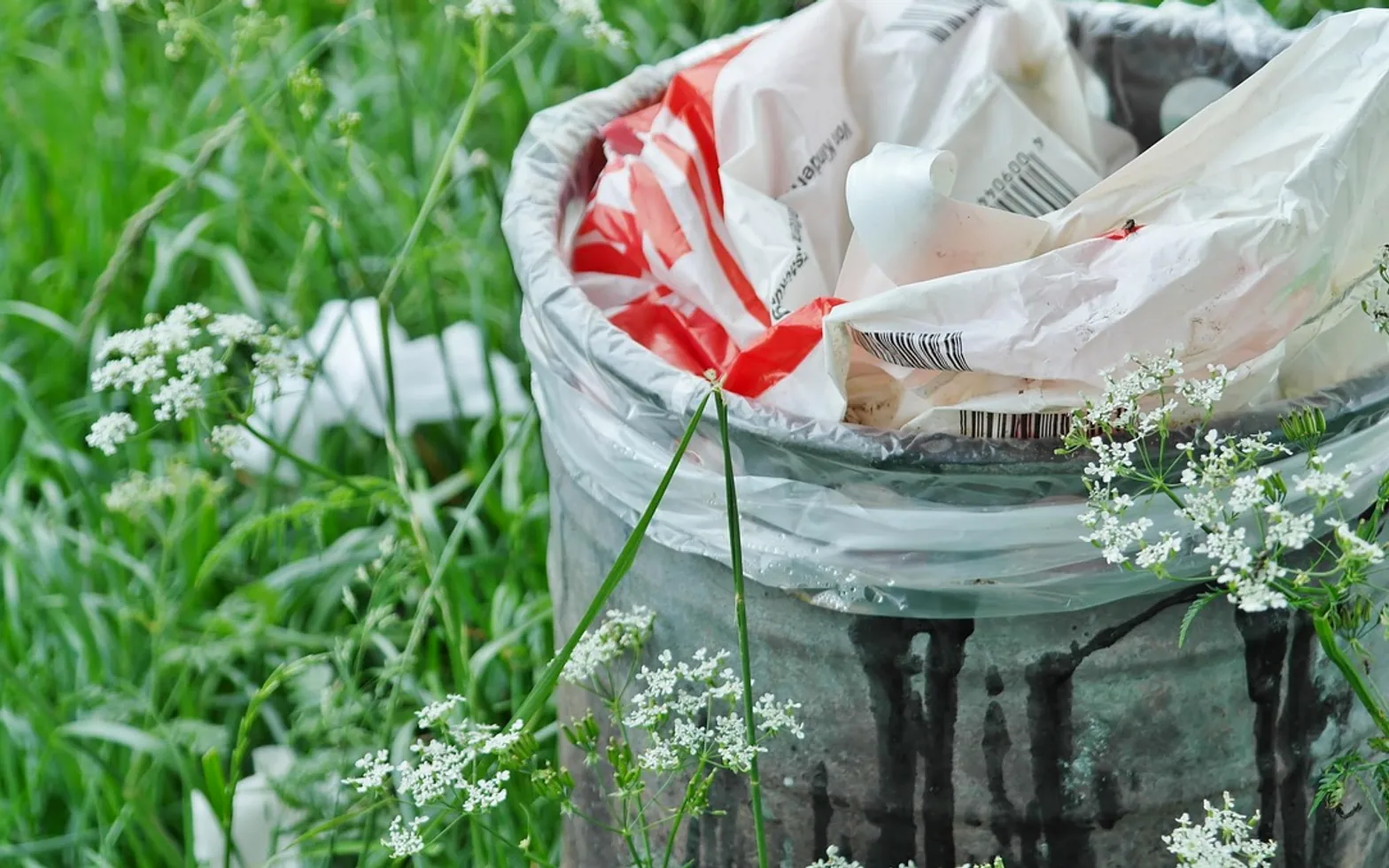
Germany has a reputation for taking rubbish seriously, and the colourful bins outside many homes are only the visible part of the system. A circular economy aims to keep materials in use for as long as possible, so that yesterday's packaging, timber or concrete becomes tomorrow's raw material. Container services play a quiet but central role in that idea, especially on renovation projects and building sites where large volumes appear at once.
The waste hierarchy in plain words
German waste law follows a ranking that is easy to remember: avoid waste first, then prepare items for reuse, then recycle, then recover energy, and only dispose of what is left. Container services cannot prevent waste on their own, but they make the middle steps realistic. When materials arrive at a sorting plant already separated, far more of them can climb back up the ranking instead of sliding to the bottom.
What happens to each stream
| Container contents | Typical next life |
|---|---|
| Clean rubble and concrete | Crushed into aggregate for roads or new construction |
| Untreated wood | Chipboard production or biomass energy |
| Metals | Melted down and returned to manufacturing |
| Green waste | Compost and soil improvers |
| Mixed construction waste | Sorted further at specialised facilities |
The cleaner each load, the more valuable its next life. A single bag of plaster thrown into a rubble skip can lower the quality of the whole batch.
Practical habits for a cleaner load
- Plan which materials a project will produce and order separate containers where volumes justify it.
- Label containers clearly so everyone on site knows what goes where.
- Keep problem materials, such as insulation, paint or asbestos-containing products, out of general containers and ask about the correct route.
- Cover containers in wet weather when paper or wood would otherwise be spoiled.
Local operators who know the regional treatment plants can advise on all of this. In the Main-Taunus area, a containerdienst Eschborn can supply suitable container sizes for households and businesses and help match each type of waste to the right container, which makes separation on site much simpler.
Paperwork as part of the loop
Documentation may seem dull, yet it is what turns good intentions into measurable results. Weighing slips and disposal records show where materials went and in what quantity. For builders and companies, that record supports compliance and sustainability reporting. For households, it offers reassurance that a renovation's leftovers were handled responsibly.
Seen together, these small steps show how a circular economy works in everyday life: not through a single breakthrough, but through thousands of well-sorted containers moving along routes that lead back to production.



Tell us what you think.
We read every message.