Lifesaving Tech: WhyAutomatic Activation DevicesAre Essential forSkydivers
· 2 min
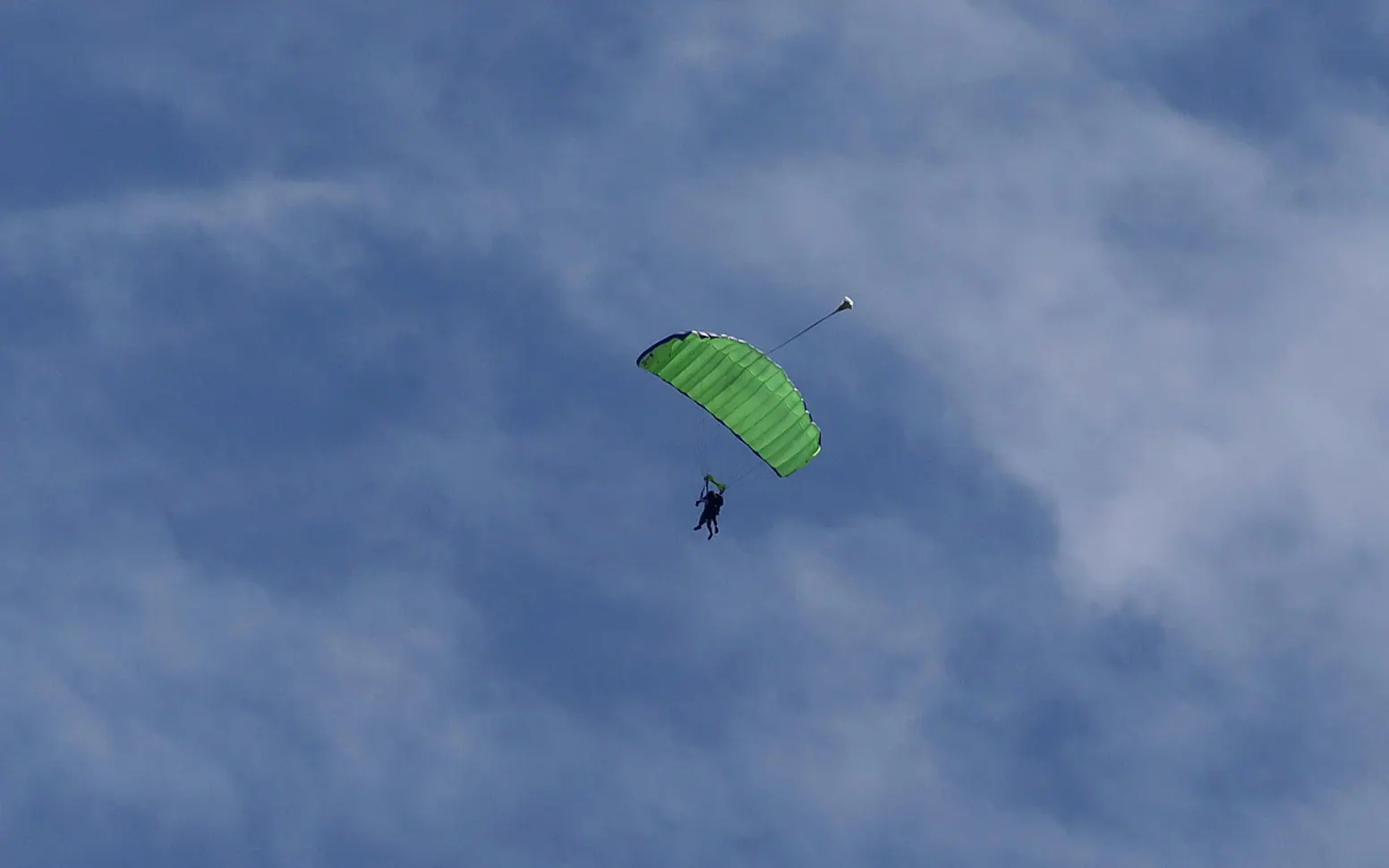
Skydiving rewards preparation. Long before the door opens, a jumper has checked the weather, the gear, the plan for the jump and the plan for when something goes wrong. One piece of equipment sits quietly behind all that preparation: the automatic activation device, usually shortened to AAD. Most jumps never call on it. The rare ones that do are the reason it exists.
What the device actually does
An AAD is a compact computer mounted inside the container and linked to a cutter on the reserve closing loop. Throughout the jump it reads air pressure to work out altitude and rate of descent. If it registers that the jumper is still falling fast below a preset height, it severs the loop and releases the reserve parachute. The decision takes a fraction of a second and needs no input from the person in the harness.
Modern units adapt to different disciplines. Some offer modes for students, tandem instructors or canopy pilots, because someone flying an aggressive landing approach descends very differently from a beginner under a large, forgiving wing.
Why experienced jumpers still carry one
It is tempting to think of an AAD as equipment for novices. In practice, the situations it addresses can affect anyone: a collision in freefall that leaves someone dazed, a sudden medical problem, lost altitude awareness during a busy formation, or a malfunction that eats up time. Skill lowers the odds of such moments but cannot remove them. That is why many dropzones and training programmes require an AAD, and why plenty of seasoned jumpers would not consider leaving one out.
The device is a backstop, not a strategy. Deploying at the planned altitude, rehearsing emergency procedures and staying current remain the foundations of safe jumping.
Fitting, servicing and living with an AAD
- The unit must be compatible with the container and installed by a qualified rigger.
- Manufacturers set service intervals and an overall lifespan; keep the paperwork with your logbook.
- Switch the device on and check its status before each jumping day, following the maker's instructions.
- Tell your rigger about water landings, hard impacts or unusual events, since some call for an inspection.
Choosing a rig with safety built in
An AAD works best inside a harness and container that fit well and are designed with the reserve system in mind. Containers in UPT's Vector line are well liked for their comfort, tidy closing design and room for modern activation devices. For jumpers assembling a full setup, the option to Buy UPT Vector 3 Skydiving Rig as a complete package brings container, canopies and device together as one matched system, which also simplifies the conversation with a rigger.
Whatever gear you choose, talk it through with an instructor and a certified rigger, especially when it comes to canopy sizing. The aim is a system that suits your experience today and keeps a dependable safety net in place for the day you hope never arrives.




Tell us what you think.
We read every message.