The Hidden Risksof Cockroach Infestationsin Homes andBusinesses
· 2 min
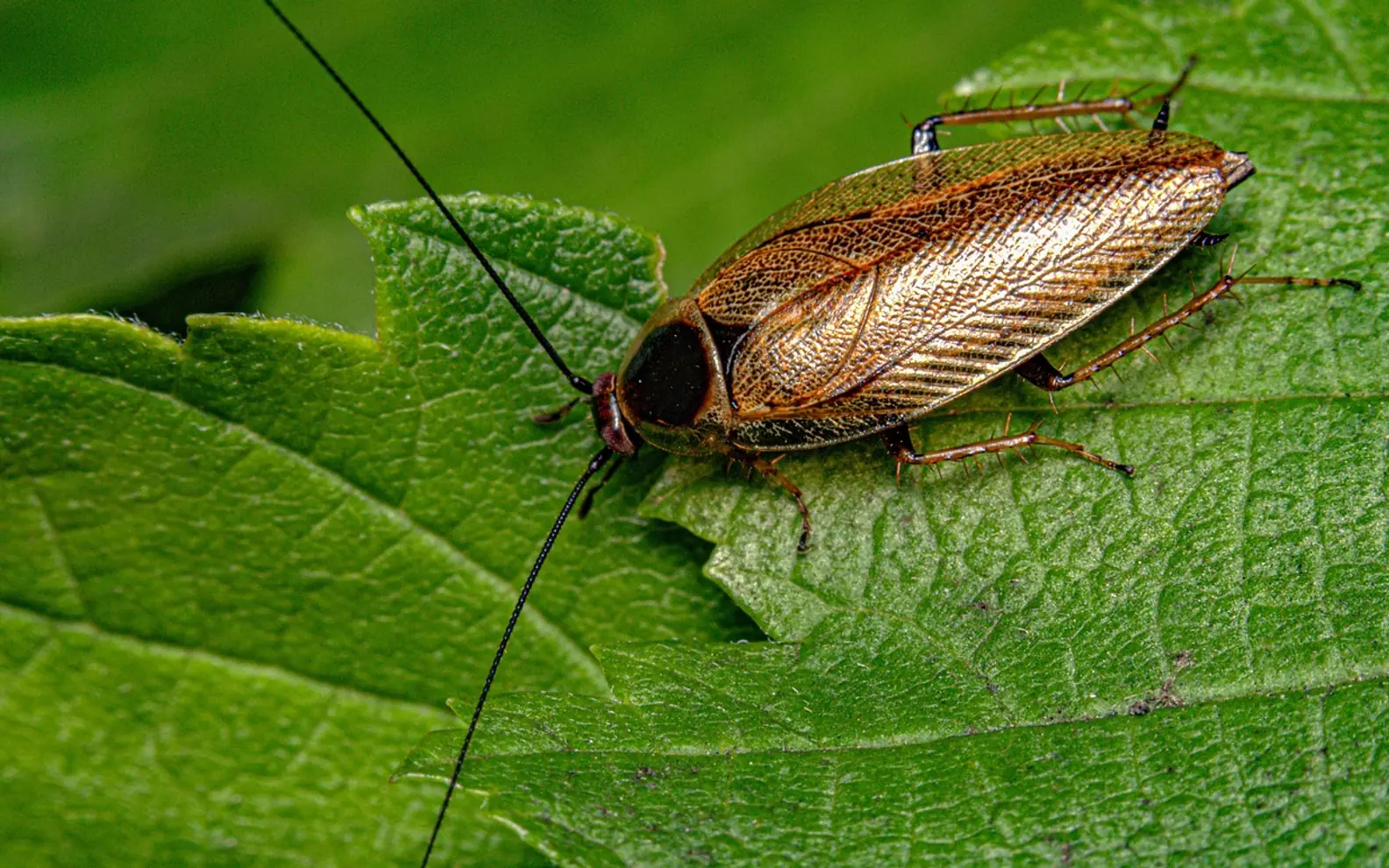
Seeing a cockroach dart under the fridge at midnight is unpleasant, but the bigger issue is what that sighting usually means. These insects are secretive and nocturnal, so one visible roach often points to many more living out of sight. For households and especially for businesses that handle food, understanding the risks and the warning signs is the first step to dealing with them properly.
Why they are more than a nuisance
Cockroaches forage in drains, bins and rotting material, then walk across benches, utensils and stored food. Along the way they can carry bacteria that cause stomach illness, and they contaminate surfaces with droppings and saliva. Their shed skins and droppings also contain allergens; for some people, particularly those with asthma or allergies, living alongside an infestation can make symptoms worse. Anyone noticing persistent breathing problems or reactions should talk to a doctor rather than assume the cause.
For cafés, restaurants, childcare centres and clinics, the stakes rise further. Health inspections look for signs of pests, and a visible problem can damage a reputation quickly, even when the kitchen is otherwise well run.
Reading the signs
Because they avoid light, cockroaches are often detected by what they leave behind:
- Small dark droppings, like ground pepper or coffee grounds, along shelves and in drawers.
- Brown smear marks where walls meet floors or around pipes.
- Empty egg cases tucked into cracks, behind appliances or in cardboard.
- A musty, oily smell in cupboards or storerooms.
- Live insects scattering when a light is switched on at night.
Warm, humid conditions suit them, so the space behind fridges and dishwashers, under sinks and around motors that give off heat deserves regular checks.
Habits that make a building less inviting
Prevention is mostly about removing food, water and shelter. Wipe crumbs and grease the same day, store dry goods in sealed containers and avoid leaving pet food out overnight. Fix dripping taps and leaking pipes, and keep floor drains clean and covered. Seal gaps around pipes, cables and skirting boards, and clear away piles of cardboard and paper, which roaches use for nesting. Businesses benefit from written cleaning schedules so nothing depends on memory during a busy service.
When to call in help
Store-bought sprays may kill the insects you can see while leaving nests untouched, and they can scatter colonies into new areas. Once droppings or egg cases turn up repeatedly, a professional inspection is usually the faster route. Operators such as adaptive pest control start by finding where the insects are breeding, then match treatment to the building, whether that is a family kitchen or a commercial site.
A good service also explains what happens next: how to prepare rooms, what follow-up visits involve and which habits will stop the problem returning. Many households and businesses find that a plan from adaptive pest control combined with steady housekeeping keeps premises clear over the long run, because treatment and prevention work best together.
Small effort, steady results
Cockroaches thrive on neglect and struggle where food is sealed, leaks are fixed and gaps are closed. Acting early on the first signs keeps the problem small, protects health and saves a great deal of hassle later.




Tell us what you think.
We read every message.