Greener Bubbles: HowChampagne Producers ReduceImpact Without LosingCharacter
· 2 min
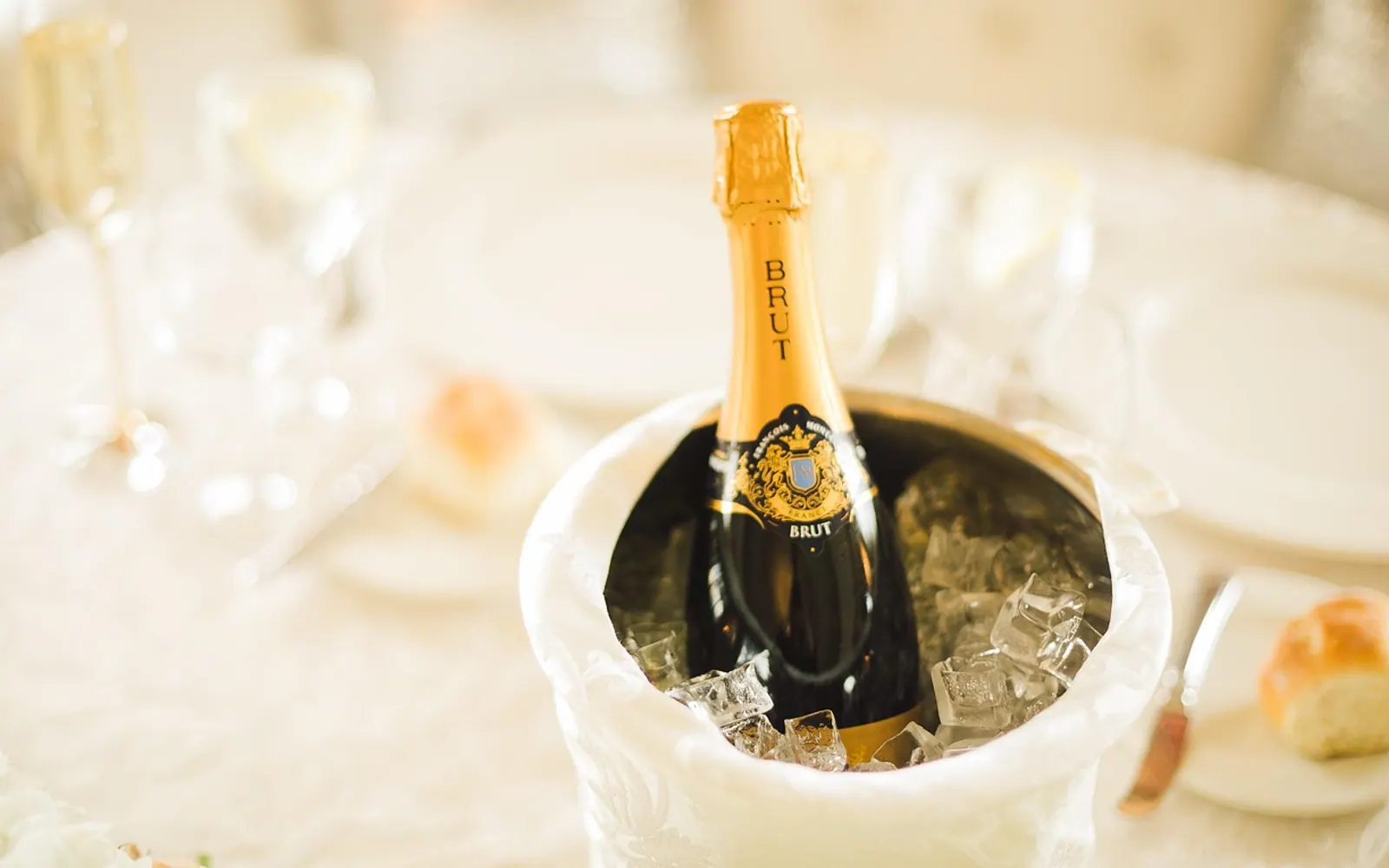
Sparkling wine carries an odd burden. Its pressure demands thick glass, its long ageing keeps cellars busy for years and its fame means bottles travel across the world. Producers in Champagne have spent a good deal of effort working out where those impacts lie and how to reduce them without changing what ends up in the glass. The result is a quieter revolution than the marketing suggests, and a fascinating case study in practical sustainability.
It starts with the soil
Chalk is the foundation of the region, but the thin topsoil above it is fragile. Many growers now sow grasses and flowering plants between rows to hold soil on slopes, encourage insects and improve structure. Mechanical weeding has replaced some herbicide use, and careful pruning keeps vines balanced so grapes ripen with the bright acidity the region depends on. A regional certification scheme for sustainable viticulture has encouraged growers to measure and record these practices rather than leave them to habit.
Spraying less, watching more
Weather stations, disease models and closer observation help growers treat vines only when risk is real. If a dry wind lowers the threat of mildew, the sprayer stays in the shed. If one corner of a parcel shows signs of trouble, that block is treated rather than the whole vineyard. Fewer passes mean less fuel, less soil compaction and fewer inputs, which suits both the land and the budget.
The weight of a bottle
Glass is one of the largest parts of a bottle's footprint, from the furnace to the lorry. Houses and glassmakers have worked on lighter bottles that still withstand the pressure inside and the handling of riddling and disgorging. A small saving per bottle adds up across a whole production run. Recycled glass content, slimmer gift packaging and fewer single-use boxes continue the theme, and some producers have rethought pallets and shipping routes to fill containers more efficiently.
Cellars, energy and water
The region's chalk cellars provide naturally cool, steady conditions for ageing, which reduces the need for artificial cooling. Above ground, wineries have added insulation, efficient presses, heat recovery and solar panels where buildings allow. Water used to clean tanks and equipment is increasingly treated and reused. None of this changes the taste, but it trims the energy behind each bottle.
Keeping the character
The real test is whether the wine still tastes like itself. Styles built on a single grape are especially revealing, because there is nowhere to hide. A Blanc de blancs Champagne, made only from Chardonnay, shows the purity and citrus freshness that healthy vineyards and careful pressing can deliver, and many drinkers love it for exactly that clarity. When sustainable farming supports grapes with good balance, those qualities come through naturally.
For curious drinkers, asking a merchant how a producer farms, or reading the back label for certification marks, is an easy way to learn more. Enjoy it in moderation, savour the detail, and the story behind the bubbles becomes part of the pleasure.


Tell us what you think.
We read every message.