Gum Disease inTexas: Prevention, Treatment,and Long-Term HealthImpacts
· 3 min
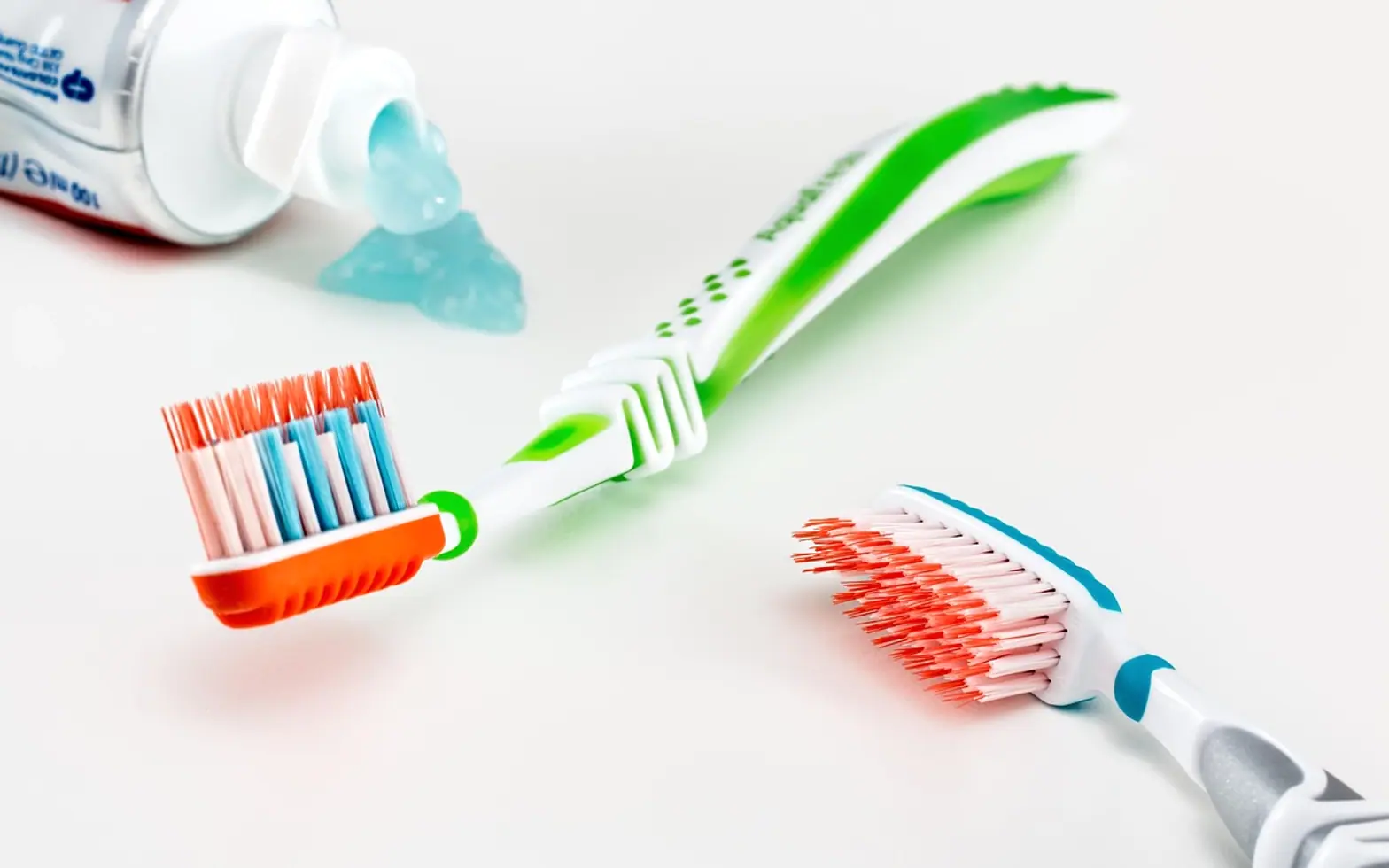
Gums rarely get the attention teeth do. People notice a chipped tooth or a sensitive filling straight away, yet a little bleeding when brushing is easy to shrug off. That is exactly how gum disease tends to progress: quietly, over months or years, until it becomes harder to reverse. Understanding how it develops is the first step toward keeping it in check.
How the problem builds
Plaque is a soft film of bacteria that forms on teeth every day. When it is not cleared away, it irritates the gums and can harden into tartar, which only a dental professional can remove. The early stage, gingivitis, usually shows up as red, puffy gums that bleed easily. At this point the damage is generally reversible with better cleaning and a professional scale and polish.
If inflammation continues, it can progress to periodontitis. The gums start to pull away from the teeth, forming pockets where bacteria collect, and the bone that holds teeth in place can be affected. Teeth may loosen or shift. This later stage needs ongoing professional care and cannot simply be brushed away.
Signs worth taking seriously
- Bleeding when brushing or flossing that keeps coming back
- Gums that look red, swollen or feel tender
- Bad breath or a bad taste that does not go away
- Gums that seem to be shrinking back from the teeth
- Teeth that feel loose or bite differently
Any of these is a reason to book a dental check rather than wait. A dentist or hygienist can measure gum pockets and tell you what stage, if any, you are dealing with.
Everyday prevention
The basics are well known for good reason. Brush twice a day with a fluoride toothpaste, clean between teeth daily with floss or interdental brushes, and keep regular dental appointments at the interval your dentist recommends. Not smoking makes a real difference, since tobacco is closely linked with gum problems and slower healing.
A few habits are worth considering in Texas in particular. Long, hot summers make it easy to rely on sweet iced tea, sodas and sports drinks, which feed plaque bacteria; water is the better everyday choice. Staying hydrated also supports saliva, the mouth's natural rinse. For people without dental insurance, the state's dental schools and community health centres often offer lower-cost care, so cost need not mean skipping checkups altogether.
What treatment usually involves
Treatment depends on how far the disease has gone, and only a dental professional can decide what is appropriate. Early cases are often handled with professional cleaning and improved home care. More advanced cases may need deep cleaning below the gumline, known as scaling and root planing, followed by regular maintenance visits. Some people are referred to a periodontist, a dentist who specialises in gums, for further care.
Why gums matter beyond the mouth
Researchers have found associations between gum disease and wider health conditions, including diabetes and heart disease. The relationship is still being studied and does not mean one directly causes the other, but it is a reminder that the mouth is part of the body. People living with diabetes, for example, are often advised to pay extra attention to gum health. If you have concerns, talk with your dentist and your doctor together; looking after your gums is one of the simpler investments in long-term wellbeing.




Tell us what you think.
We read every message.