Modern Manufacturing Approachesin Skydiving Rigs
· 2 min
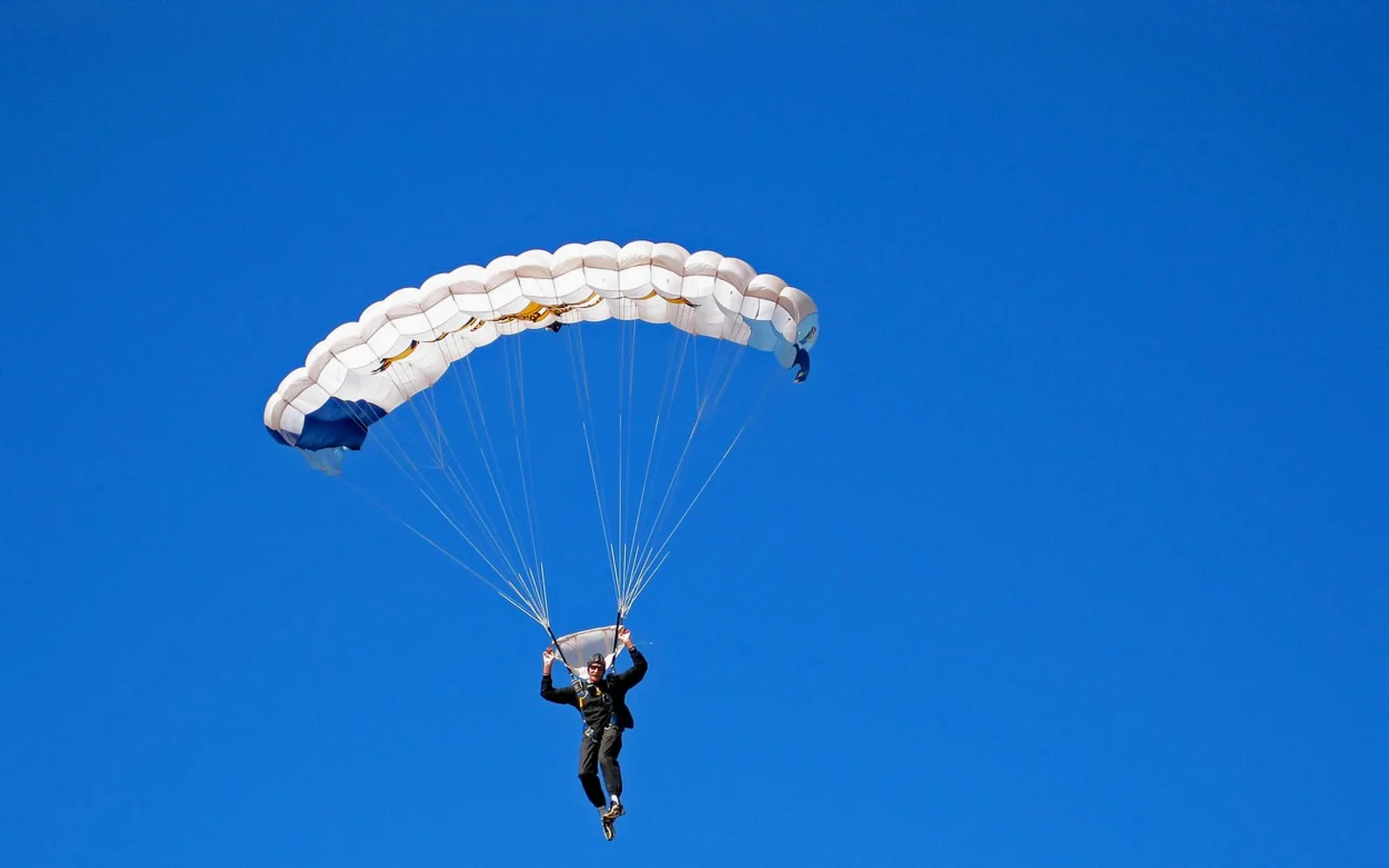
Pick up a skydiving container and it feels like a well-made backpack. Look closer and it is something more exacting: a load-bearing harness, a carefully engineered closing system and a home for two parachutes that must open in the right order every time. The way these rigs are built has moved on considerably, borrowing ideas from aerospace, outdoor equipment and precision textile work.
From body measurements to pattern
Most established manufacturers build harnesses to the individual. A jumper's height, weight, torso length and leg measurements go onto an order form, and the harness geometry is adjusted to match. Computer-aided design turns those numbers into patterns, while digital cutting tables trim fabric and webbing with consistent accuracy. The result is a container that sits close to the body, which matters for comfort in freefall and for stability under canopy.
Materials chosen for the job
Nylon webbing and tough, abrasion-resistant pack cloth remain the backbone of most rigs because they are strong and well understood. Around them, makers experiment with lighter high-tenacity fibres for particular components, stiffeners that hold flaps in shape, and coated fabrics that shed dirt from dusty landing areas. Every choice is a trade-off between weight, durability, feel and cost, and each brand strikes that balance in its own way.
How a rig comes together
- Cutting: panels, flaps and webbing are cut to pattern and labelled.
- Stitching: heavy-duty machines sew load-bearing seams with specified thread and stitch patterns, often in several rows for redundancy.
- Hardware: rings, release components and grommets are fitted and checked.
- Assembly: container, harness and reserve system are joined, with attention to flap alignment and pin protection.
- Inspection: each unit is examined against the manufacturer's standards before it leaves the workshop.
Behind these steps sits a formal certification process for reserve equipment, which is why manufacturers document their designs and testing so thoroughly.
Design details that jumpers notice
Many improvements are subtle. Flaps that close more cleanly reduce the chance of a premature opening. Rounded edges and protected handles cut down on snag points. Padding and leg-strap layouts aim for comfort on long climbs to altitude as well as in the air, and space for an activation device is now expected rather than optional. Jumpers who choose a complete skydiving rig benefit from these advances directly, since a matched package brings container, canopies and accessories together in combinations designed to work as a single system.
Choosing with care
Good manufacturing is only half the picture. Fit, canopy size and the jumper's experience all shape which setup is right, so the final decision belongs in a conversation with an instructor and a certified rigger. With that advice in hand, the craftsmanship in a modern rig becomes something to rely on, jump after jump.




Tell us what you think.
We read every message.