How to Builda Memory Palace:The Method ofLoci Step byStep
· 4 min
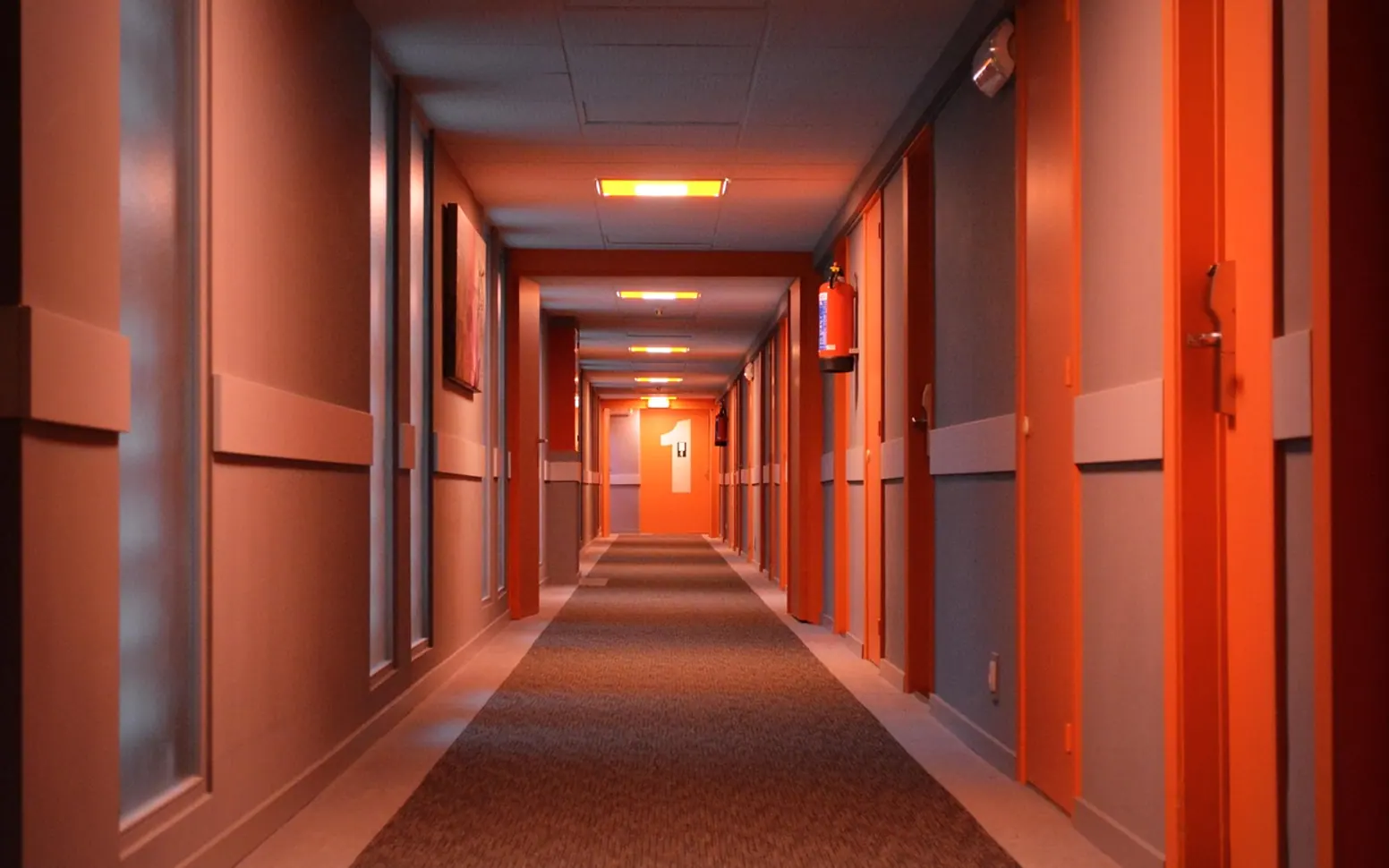
A memory palace is a familiar place, real or imagined, that you use as a filing system for things you want to remember. You picture a fixed route through it, leave a vivid image at each stop, and later walk the route in your mind to collect the images in order. The approach is also called the method of loci, from the Latin word for places, and it is among the oldest memory techniques on record.
Why places work so well
Most of us are far better at remembering where things are than at holding lists of abstract items. You can probably describe the rooms of a childhood home or the walk to a regular shop in surprising detail without ever having tried to memorise them. The memory palace technique borrows that strength. Instead of asking your mind to keep ten loose words, you ask it to keep ten odd scenes in rooms it already knows.
Classical writers on rhetoric described the method as a tool for orators who had to deliver long speeches without notes. A famous legend credits the Greek poet Simonides with the discovery: after a banquet hall collapsed, he is said to have identified the guests by recalling where each one had been seated. Whether or not the story is true, the method lasted because it works in practice.
How to build a memory palace in five steps
1. Choose a place you know well
Your home is the classic starting point. A daily commute, an old school, a favourite museum or a regular route through a park also work. The place needs to be easy to picture without effort.
2. Fix a route and its stops
Decide on a walking order that never changes: front door, hall mirror, coat hooks, kitchen table, sink and so on. Pick distinct objects or spots rather than vague areas. Ten stops are plenty for a first palace.
3. Walk it a few times
Before storing anything, rehearse the route in your head until the order feels automatic. You should be able to move forwards and backwards along it without hesitating.
4. Turn each item into a vivid image
The stranger, larger, funnier or more physical the image, the better. Movement, sound and exaggeration all help. A plain picture of milk on a table fades; a fountain of milk erupting from the table and soaking the ceiling tends to stay put.
5. Place and review
Put one image at each stop and imagine it interacting with the object there. Then walk the route once or twice, collecting each image as you pass. Review again later the same day and over the following days.
A worked example
Say you want to remember the sections of a talk you are giving: history, budget, team, risks and next steps. A quick palace could look like this:
| Stop | Item | Image |
|---|---|---|
| Front door | History | An ancient scroll jammed in the letterbox, crumbling as you pull it free |
| Hall mirror | Budget | Coins pouring out of the glass and rattling across the floor |
| Coat hooks | Team | A whole football squad hanging from the hooks by their collars |
| Kitchen table | Risks | A tightrope walker wobbling along the table edge |
| Back door | Next steps | A staircase sprouting from the doorstep into the garden |
On the day itself, a mental stroll from the front door to the back door brings the sections back in the right order.
What the memory palace technique is good for
- Ordered lists, such as the points of a speech or the stages of a process
- Names and faces, with an image that links a feature of the person to their name
- Vocabulary in a new language, particularly words that resist other methods
- Key ideas from a lecture or documentary you want to discuss later
It is weaker for deep understanding. A palace can hold the headings of an argument, but you still need to grasp how the ideas connect. Pair it with self-testing, as described in the guide to active recall, and with tidy notes built on the principles of good note-taking.
Common pitfalls
- Images that are too polite. Ordinary pictures blur together. Exaggerate everything.
- Stops that look alike. Two identical chairs in a row invite mix-ups; choose objects that differ clearly.
- Overloading one palace. Using the same route for several lists at once creates interference. Build a few smaller palaces, or let old images fade before reusing a route.
- Skipping review. The method speeds up memorising, but it does not make memories permanent. Spaced revisits still matter, and a Leitner box of flashcards can take over the long-term review once items feel secure.
Questions people ask
Can the place be imaginary?
Yes, though beginners usually find real places easier because the layout is already stored. Some people later design invented buildings, or borrow settings from games and films they know well.
How many stops can one palace hold?
As many as you can picture clearly in a fixed order. Start small, perhaps ten, and extend the route into new rooms once the first section feels effortless.
Is it only for memory competitions?
Not at all. Competitive memorisers use elaborate versions, but the basic method is just as handy for a shopping list, a presentation or a set of phrases before a trip abroad.


Tell us what you think.
We read every message.